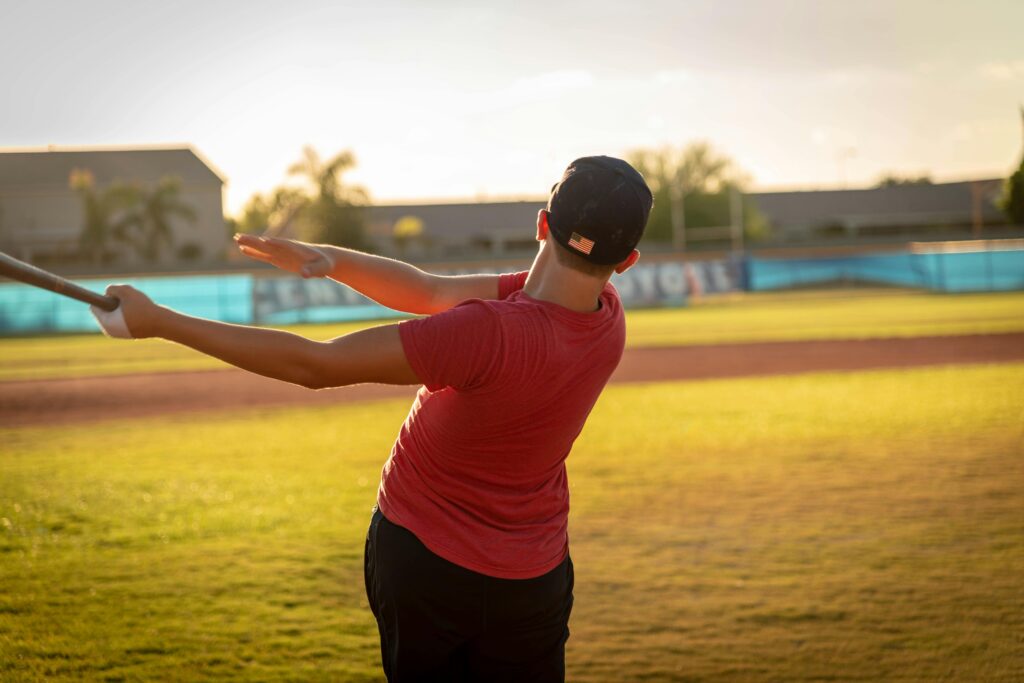
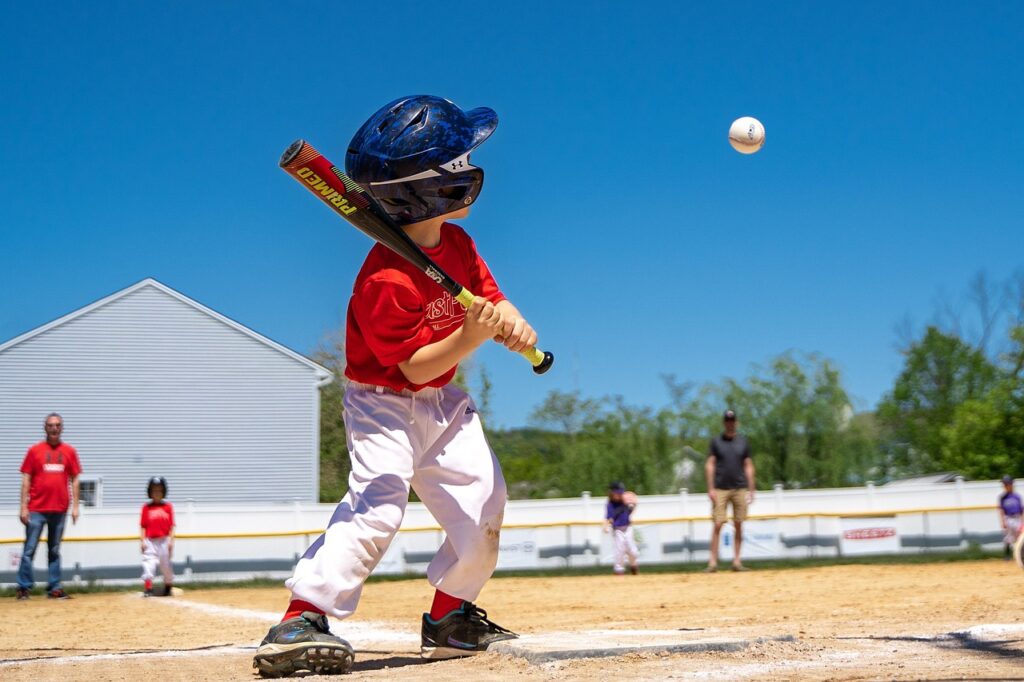
Helping young athletes develop a strong, consistent swing is essential for building confidence and performance in baseball and softball. Whether your player is just starting out or looking to refine their skills, proper swing training lays the foundation for years of success.
1. Focus on Fundamentals First
Before you try to hit home runs, every young player needs a strong foundation. Learning the basics of stance, grip, and head position ensures the swing is balanced, controlled, and ready for consistent contact.
Key Fundamentals:
- Stance: Feet shoulder-width apart, knees slightly bent, weight balanced.
- Grip: Hands together on the bat with a relaxed grip—too tight reduces bat speed.
- Head Position: Eyes level, tracking the pitcher from release.
Tip: Encourage players to stay balanced throughout the swing. Leaning forward or back reduces control and power.
2. Use Tee Work to Build Muscle Memory
The batting tee is a youth hitter’s best friend. Tee work helps players practice proper mechanics over and over, building the muscle memory that makes good swings automatic during real games.
Drill Idea:
- Set the tee at different heights and locations to mimic inside, outside, high, and low pitches.
- Focus on swinging through the ball, not just hitting it.
- Repeat 10–15 swings per location, emphasizing form over power.
3. Soft Toss and Front Toss for Timing
Once the basics are solid, it’s time to add movement. Soft toss and front toss drills help kids learn timing, hand-eye coordination, and how to adjust to different pitch locations—skills that translate directly to the game.
How to Practice:
- Soft Toss: Toss the ball from the side, focusing on keeping the head still and hands inside the ball.
- Front Toss: Toss from in front with a slight underhand motion to simulate pitch trajectory.
Tip: Track the ball all the way to the bat and rotate the hips and shoulders properly.
4. Strengthen the Core and Hips
Power comes from more than just the arms. By strengthening the core and improving hip rotation, young athletes can swing harder and maintain balance, reducing the risk of injury.
Exercises for Youth Players:
- Medicine ball rotations (use a light ball for younger players)
- Planks and side planks
- Squats and lunges
Tip: Focus on quality over quantity to prevent injuries and reinforce proper form.
5. Video Analysis for Feedback
Sometimes the fastest way to improve is to see what’s really happening. Recording swings lets players—and coaches—spot mistakes, track progress, and make adjustments that are hard to notice in real time.
How to Use Video:
- Record swings from multiple angles.
- Slow down footage to analyze bat path, hip rotation, and head movement.
- Compare with professional examples or coaching videos to identify areas for improvement.
6. Make Practice Fun
The best learning happens when kids enjoy themselves. Mixing drills with games, challenges, and friendly competition keeps players motivated and encourages them to practice consistently.
Ideas to Keep it Fun:
- Batting competitions with friends or teammates
- Hitting targets or zones for points
- Combine drills with small-sided games
Youth swing training is all about building a strong foundation, reinforcing proper mechanics, and keeping players motivated. By focusing on fundamentals, using tees and toss drills, strengthening the body, and providing visual feedback, you can help young athletes develop a swing that is both powerful and consistent. Practice with purpose, keep it fun, and your players will see noticeable improvement at the plate.
Looking to gear up for more pop? Check out our youth baseball equipment guides and more practice tips in our baseball blogs below:
Summer Baseball Training Guide: 10 Ways Kids Can Level Up This Offseason
For many young athletes, summer is baseball season. With longer days, warmer weather, and more…
Youth Baseball Cleats: How to Choose the Best Cleats for Young Players
If your child plays baseball, a good pair of youth baseball cleats can make a…

How to Break In a Youth Baseball Glove (Step-by-Step Guide)
One of the most exciting moments for a young baseball player is getting a brand-new…
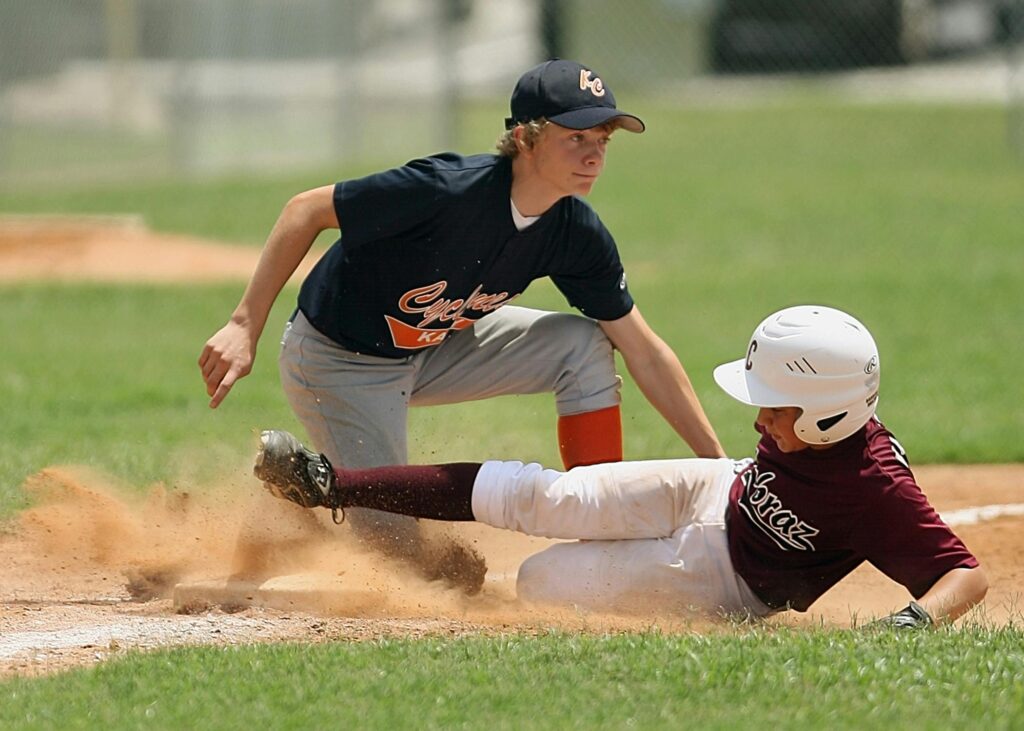
What Position Should My Child Play in Youth Baseball?
It’s one of the most common questions parents ask: “Should my child pitch?”“Are they too…
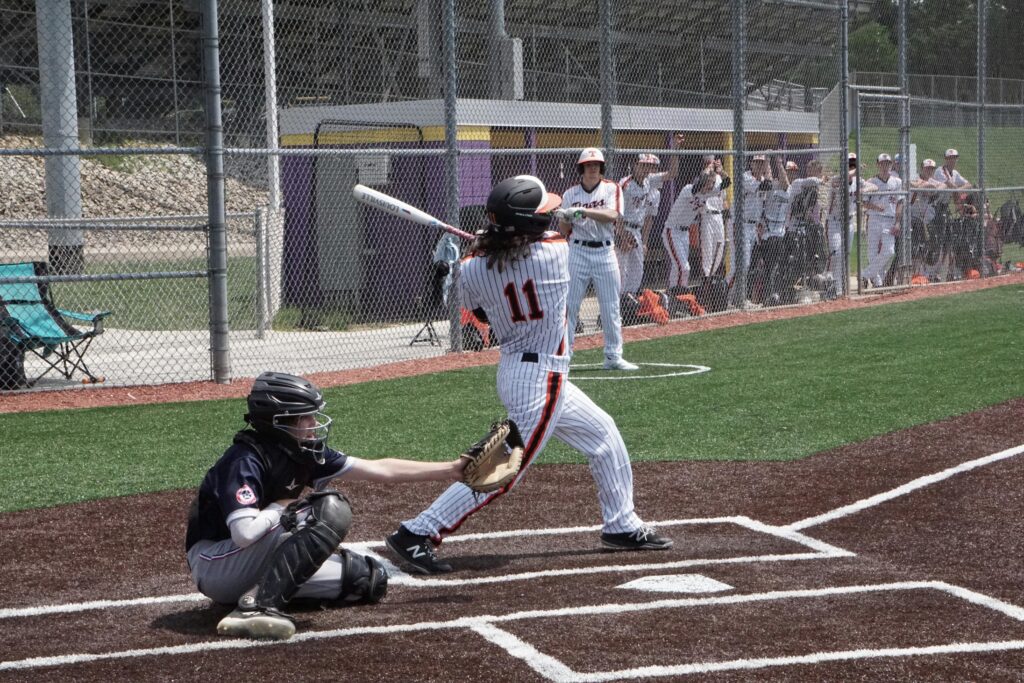
How to Teach Kids to Handle Strikeouts and Slumps in Youth Baseball
Every young baseball player goes through it. The strikeout looking.The 0-for-3 game.The slump that feels…
Winter Baseball Drills to Do at Home
Winter doesn’t have to mean a break from baseball development. Even without access to a…