
Youth sports are a $40 billion industry, according to The New York Times. With that growth has come a rise in travel teams, private coaching, year-round leagues, sports-specific camps—and youth sports pressure. While these options can offer incredible opportunities, they can also bring serious pressure—for kids and parents alike. How do you keep youth sports fun for the kids?
Even in today’s hyper-competitive landscape, youth sports should and can still be about fun, teamwork, personal growth, and love of the game. Here are some practical ways parents and coaches can keep the fun in youth sports, no matter how intense the environment gets.
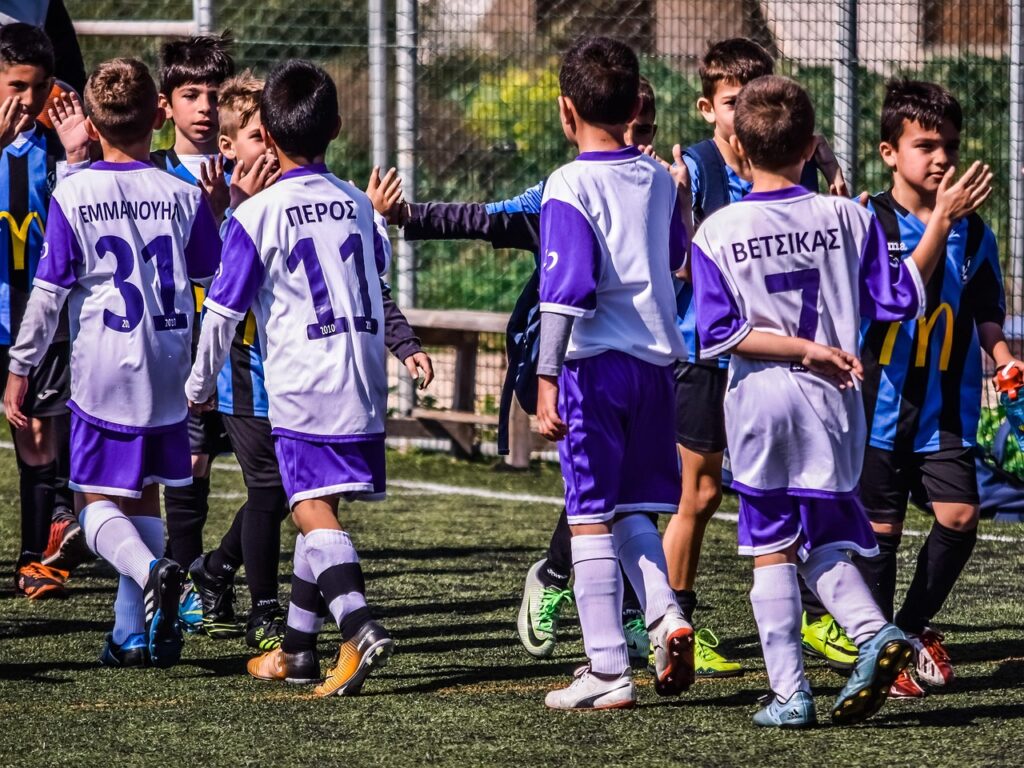
Focus on the Experience, Not the Outcome
Wins and stats can be exciting, but they shouldn’t be the main focus—especially for young kids. Celebrate hustle, improvement, and good sportsmanship just as much (or more) than goals scored or games won. A child who feels valued for their effort is more likely to stick with sports long-term.
Kids should feel ownership over their sports experience. Ask them questions like:
- “What was your favorite part of the game today?”
- “Is there a new position or sport you’d like to try?”
- “How did you feel out there?”
Let their interest and enthusiasm drive the decisions—not rankings, recruiters, or outside pressure. Keeping youth sports fun for kids is easy when they are in charge—and unlike the outcome, most of the time you can control the experience.
Give the Kids a Break: Youth Sports Pressure is Tiring
Burnout is real. Youth athletes who specialize too early or train year-round in one sport are at higher risk for both physical injuries and emotional fatigue.
Don’t take our word for it. According to the Washington Post, youth and high school players (under 18) accounted for around 40% or more of all UCL surgeries at major orthopedic centers such as Andrews Sports Medicine & Orthopaedic Center.
“Rest is not just about recovery—it’s about performance,” Dr. Woolridge of the Hospital for Special Surgery writes. “If you’re pushing through an injury, you’re not performing at your best. You’re limping, you’re slower, and you’re risking a longer recovery.
Parents should build in off-seasons, rest days, and vacations where sports take a backseat to family, friends, and fun.
Coaches should remember that not every practice needs to be intense and structured. Make time for unstructured play—scrimmages, backyard games, silly challenges, or a pickup game with no adults or parents (Read More: How to Handle Helicopter Parents in Youth Sports) coaching from the sidelines. Fun is often found in freedom.
If your team has had a hard week or is struggling to grasp a concept, take a beat and let them have some fun. They’ll only be kids once, and often a fun game will relieve some pressure and lead to a more productive drill afterward.
Travel Sports is Expensive: Make Sure It’s Worth It
Travel teams, private lessons, and elite tournaments are expensive—and they’re not the only path to development. Local rec leagues, YMCA programs, and school teams still offer valuable coaching and competition.
That’s especially true early in a child’s youth sports career. Your child’s success isn’t defined by how much money is spent—it’s defined by the experience they gain. At 8-12 years old, the focus should be on fundamentals and developing a passion for sports.
If your child is on a travel team, consider if the experience your child is gaining is worth the exorbitant cost you’re paying.
If your child isn’t on a travel team, that’s OK. Playing multiple sports can build well-rounded athletes, reduce injury risk, and keep things fresh—but it’s not possible if you jump too quickly into travel team culture. If your child loves sports, encourage them to explore different ones throughout the year instead of locking into a single sport too early.
Redefine Success as a Family and as a Parent
Success doesn’t have to mean a college scholarship. Success might mean:
- Making new friends
- Building confidence
- Learning how to handle failure
- Staying active and healthy
- Gaining leadership skills
Talk with your child about their definition of success. Let that guide your decisions—not just what everyone else is doing.
Then, don’t forget to think about your actions as a parent or parent-coach. It’s tempting to offer tips and critiques on the ride home from a game, but sometimes kids just want a parent, not another coach. Ask if they want to talk about the game first. Often, a simple “I loved watching you play” is all they really need to he
Remember What Matters in the Long Run: Youth Sports Pressure Isn’t Worth It
Very few youth athletes go pro—but nearly all of them carry lessons from sports into the rest of their lives. The goal isn’t just a championship trophy—it’s helping kids become confident, resilient, team-oriented individuals.
Yes, youth sports have become big business. But that doesn’t mean your child’s experience has to be consumed by pressure, performance, or profit. As a parent or coach, you have the power to create an environment where joy comes first, and where the love of the game never gets lost in the noise.


Pingback: Should Kids Use Weighted Baseballs?