
Choosing the best youth basketball for your child can make a huge difference in how quickly they develop confidence, skills, and love for the game. Between different sizes, materials, and indoor/outdoor options, it’s not always obvious what to buy.
This guide breaks down everything parents and coaches need to know — including the best youth basketball sizes, indoor vs. outdoor differences, and specific ball recommendations.
Disclosure: This post contains affiliate links. As an Amazon Associate I earn from qualifying purchases. This means I may earn a small commission if you click and make a purchase, at no extra cost to you.
What Size Basketball Should Kids Use? (Age Guide)
Choosing the right size is the #1 factor for young players. A ball that is too big leads to poor shooting form, frustration, and slower skill development.
Youth Basketball Size Chart
| Age | Recommended Size | Circumference | Notes |
|---|---|---|---|
| 4–8 years | Size 3 | 22″ | Perfect for small hands, great for learning basics. |
| 8–10 years | Size 4 (optional) | 25.5″ | Transitional size; not required but helpful. |
| 9–11 years | Size 5 | 27.5″ | Standard for most youth leagues. |
| Girls 12+ / Boys 12–14 | Size 6 | 28.5″ | Official size for women’s basketball. |
| Boys 15+ | Size 7 | 29.5″ | Official full-size men’s ball. |
Quick tip:
If your child is under 11, Size 5 is almost always the right choice.
Indoor vs. Outdoor Basketballs: What’s the Difference?
Indoor Basketballs
- Made of composite or genuine leather
- Softer, tackier grip
- Best for gym floors
- Not durable outside — rough surfaces ruin them quickly
Outdoor Basketballs
- Made of rubber or durable composite
- Built to handle asphalt and concrete
- Bounce stays consistent outdoors
- Less “soft” feel than indoor balls
Indoor/Outdoor (Hybrid) Basketballs
- Do-everything option
- Good grip + good durability
- Perfect for kids who play driveway AND gym
For most families, an indoor/outdoor ball is the best value because kids usually play in multiple places.
Best Youth Basketballs (2026 Picks)
Best Overall Youth Basketball
1. Wilson NBA DRV Outdoor Basketball (Size 5 or 6)
Great for: Driveways, parks, rough outdoor surfaces
Why we like it: It’s durable, grippy, and one of the longest-lasting outdoor balls for kids.
Best Youth Basketball: Indoor/Outdoor Hybrid (Most Versatile)
2. Spalding TF-250 Indoor/Outdoor Basketball
Great for: Kids who play half indoors, half outdoors
Why we like it: Excellent balance between grip and durability; feels more premium than most hybrid balls.
Best Youth Basketball: Budget Option
3. Franklin Sports Grip-Rite Youth Basketball (Size 5)
Great for: Beginners, casual play, tight budgets
Why we like it: Affordable rubber ball with solid grip and bounce.
Best Youth Basketball for Kids Ages 4–8
4. Oppum Indoor/Outdoor Basketball (Size 3 or 5)
Great for: Small hands, early skill development
Why we like it: 15% lighter than standard youth balls — perfect for shooting form.
Best Youth Basketball for Indoor Youth Leagues
5. Wilson Evolution (Size 6)
Great for: Gym-only play, competitive youth teams
Why we like it: The #1 indoor ball in the country — elite grip and feel.
Best Youth Basketball for Kids Who Play a Lot Outdoors
6. Spalding Street Phantom Outdoor Basketball (Size 5–7)
Great for: Driveways & concrete courts
Why we like it: Extra-tacky rubber cover enhances grip outdoors; extremely durable.
Best Premium Hybrid (Indoor Feel + Outdoor Durability)
7. Wilson NCAA Replica Game Ball (Youth Size)
Great for: Kids who want a “real” feel
Why we like it: Composite leather feel with better durability than true indoor-only balls.
Coach-Approved All-Purpose Pick
8. Baden Contender Indoor/Outdoor Basketball
Great for: Practices, skill training, mixed surfaces
Why we like it: Well-balanced weight and texture; flies under the radar but coaches love it.
How to Choose the Right Ball for Your Kid
Here’s the simple breakdown:
If your child plays mostly outdoors
→ Pick rubber or durable composite
→ Example: Wilson NBA DRV
If they play indoors and outdoors
→ Choose indoor/outdoor composite
→ Example: Spalding TF-250
If they’re under 10
→ Pick Size 5
→ Lighter ball = better form + more fun
If they want “real game” feel
→ Pick Wilson Evolution (indoor only)
→ Or Wilson NCAA Replica (hybrid)
If you want the best budget option
→ Franklin Grip-Rite
How to Extend the Life of a Basketball
Your kid’s ball will last much longer if you:
- Keep it inflated to the recommended PSI
- Store it indoors (heat + cold damage the cover)
- Wipe dust/dirt off occasionally
- Avoid using indoor balls outdoors
- Don’t sit on it or leave it in the car
Small habits make a BIG difference.
Looking for more basketball equipment recommendations? Check out our hoops articles below including guides on the best basketball shoes and training gear.
Books for Sports Parents: Top-10 Must Reads for Parents of Athletes
Youth sports can be one of the most rewarding experiences for kids. They learn teamwork,…
Youth Baseball Cleats: How to Choose the Best Cleats for Young Players
If your child plays baseball, a good pair of youth baseball cleats can make a…
Flag Football Passing Plays: Simple Plays For Day One
Flag football is a great way to introduce kids to the passing game. Because there…
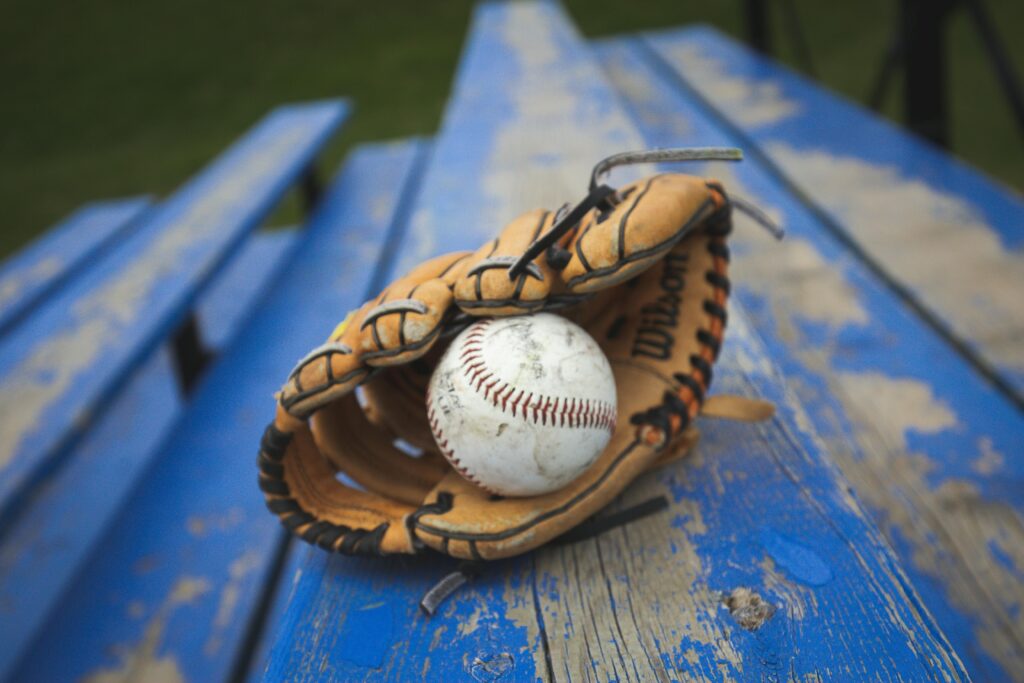
How to Break In a Youth Baseball Glove (Step-by-Step Guide)
One of the most exciting moments for a young baseball player is getting a brand-new…
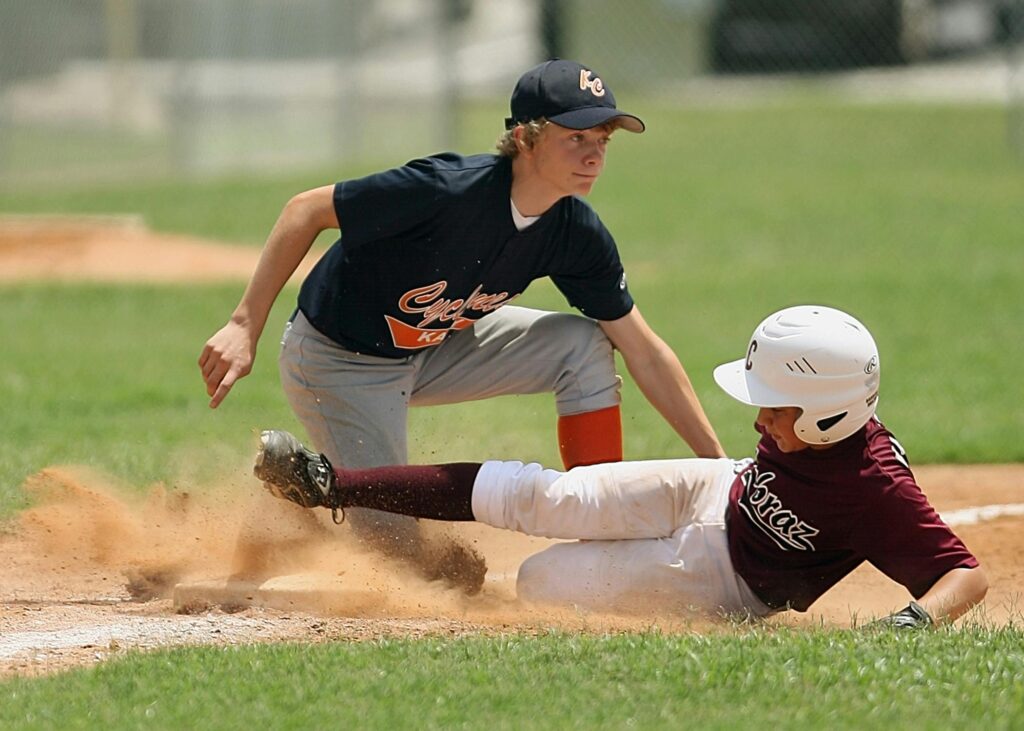
What Position Should My Child Play in Youth Baseball?
It’s one of the most common questions parents ask: “Should my child pitch?”“Are they too…
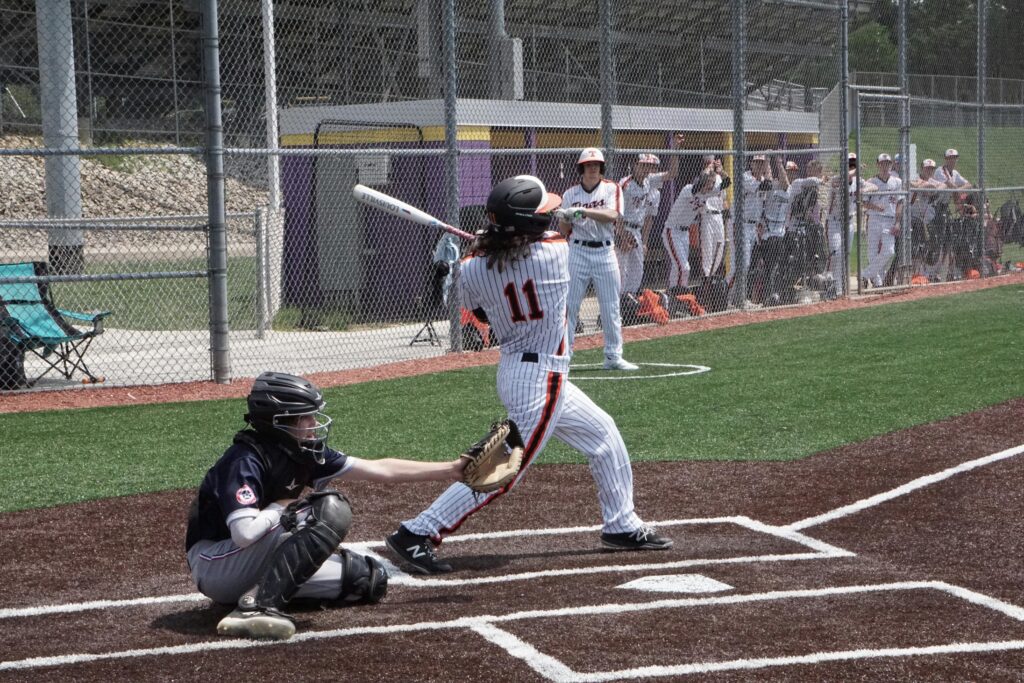
How to Teach Kids to Handle Strikeouts and Slumps in Youth Baseball
Every young baseball player goes through it. The strikeout looking.The 0-for-3 game.The slump that feels…
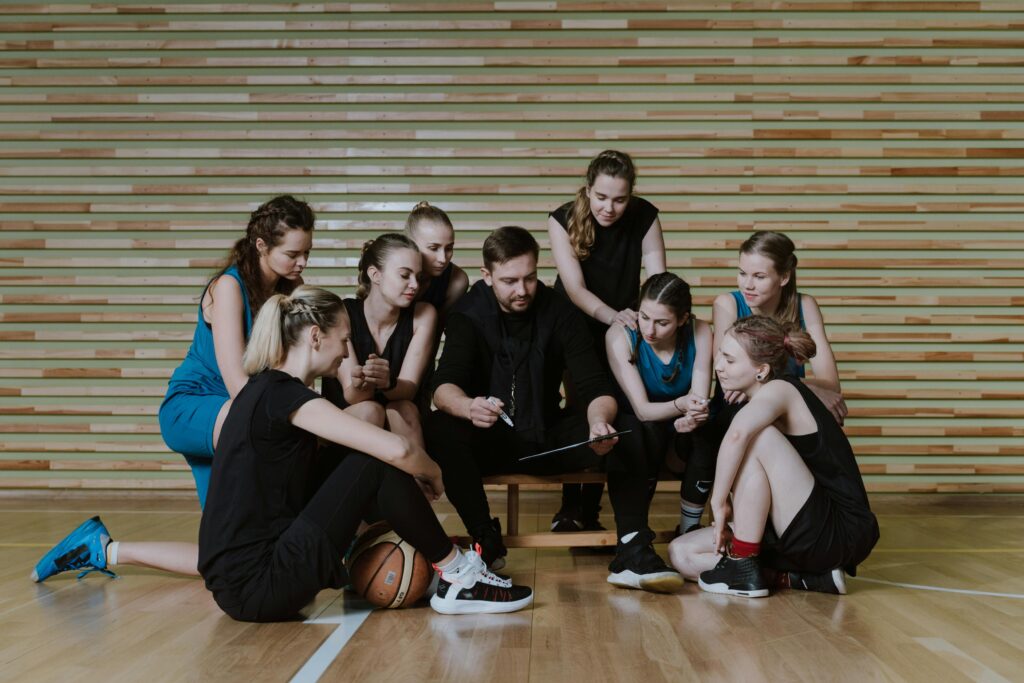
Pingback: Essential Basketball Training Equipment for Young Players