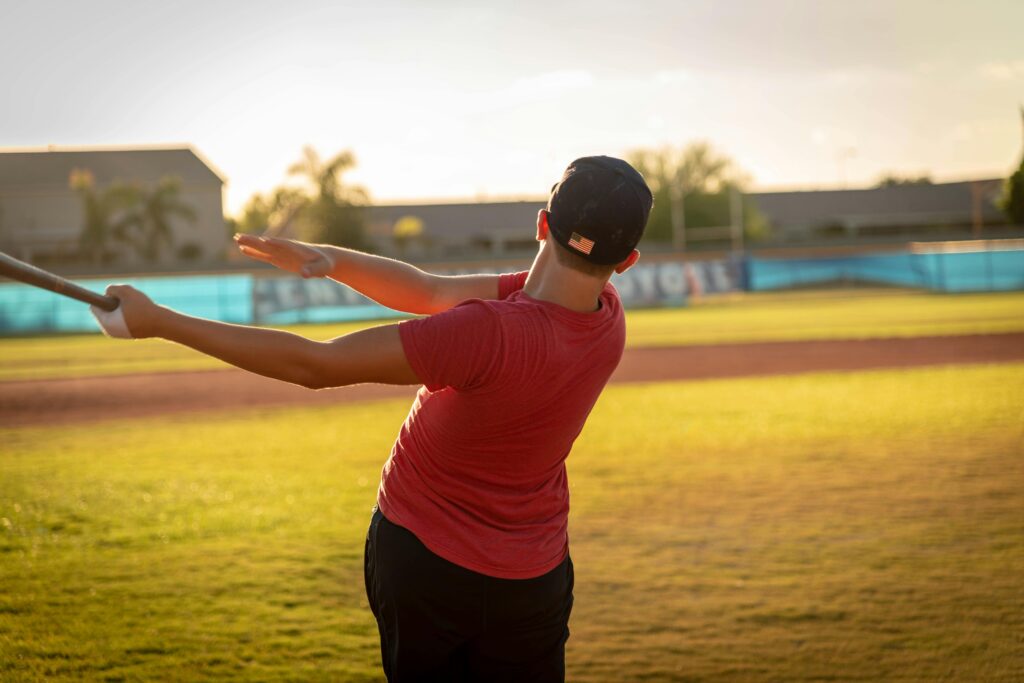
One of the most exciting moments for a young baseball player is getting a brand-new glove.
There’s just one problem: new gloves are stiff.
If a glove isn’t broken in properly, kids struggle to close it and catching becomes harder than it should be. The good news is that breaking in a youth baseball glove doesn’t have to be complicated.
With the right approach, you can help your child turn a stiff glove into one that feels game-ready.
Why Breaking In a Glove Matters
A properly broken-in glove forms a pocket that helps secure the ball. When the leather softens and shapes to a player’s hand, catching becomes much easier.
For younger players, this is especially important. If a glove is too stiff, kids often start trapping the ball against their body instead of catching it cleanly.
Breaking in the glove helps build confidence and better fielding habits.
Even the best break-in methods won’t help if the glove doesn’t fit your child properly. If you’re unsure about sizing, check out our guide on what size baseball glove your child needs.
Step 1: Play Catch (The Best Method)
The most natural way to break in a glove is simply by using it.
Have your child play catch regularly with the glove. Each catch helps shape the pocket and loosen the leather. Try to catch the ball in the same area each time so the glove begins to form a consistent pocket.
This method takes patience, but it produces the best results.
If your child practices or plays catch for even 10–15 minutes a day, the glove will start to soften quickly.
Step 2: Work the Pocket
After playing catch, spend a few minutes shaping the glove’s pocket.
Press a baseball firmly into the center of the glove and squeeze the glove closed around it. Repeating this helps mold the leather where the ball should sit.
You can also bend the glove slightly at the hinge points to make closing it easier for younger players.
The goal is to create a natural pocket where the ball will land during games.
Step 3: Use a Glove Mallet or Ball
Some coaches use a glove mallet or baseball to help soften the pocket area.
Lightly pound the pocket and hinge areas to loosen the leather fibers. This speeds up the break-in process without damaging the glove.
This step can be especially helpful for thicker leather gloves that take longer to soften.
Step 4: Store It the Right Way
When the glove isn’t being used, store it with a baseball in the pocket.
Wrap the glove closed with a rubber band or place it under a light weight. This helps the glove maintain its shape and reinforces the pocket.
Over time, this creates the natural curve players want in a game-ready glove.
Other Ways to Break In a Baseball Glove
While playing catch and shaping the pocket are the best long-term methods, some players and parents look for faster options. There are a few alternatives that can speed up the break-in process.
Glove Steaming Services
Many sporting goods stores offer baseball glove steaming, which softens the leather quickly using heat and moisture.
Retailers like DICK’S Sporting Goods offer glove steaming services in many locations. During the process, a technician applies conditioner, heats the glove with steam, and shapes the pocket with a mallet.
This can make a stiff glove game-ready much faster.
Some experienced players believe steaming can slightly shorten the life of the glove because the leather fibers loosen quickly. For youth gloves, which are often replaced every few seasons anyway, this usually isn’t a major concern.
If your child needs a glove ready for a game or practice quickly, steaming can be a helpful option.
Glove Wrap Kits
Another option is using a glove wrap or break-in kit. These kits usually include a strap that holds a baseball tightly in the pocket while the glove stays closed overnight.
This method helps reinforce the pocket shape without damaging the glove.
Conditioner or Break-In Foam
Some players use small amounts of glove conditioner or break-in foam to soften the leather.
If you use these products, apply them sparingly. Too much conditioner can make the glove heavy and shorten the lifespan of the leather.
For most youth gloves, regular use and pocket shaping are enough.
What NOT to Do
Some glove-breaking tricks online can actually damage the glove.
Avoid methods like:
- Putting the glove in the oven or microwave
- Leaving it on a car dashboard in the sun
- Soaking it in water
- Using too much oil
These shortcuts can weaken the leather and shorten the life of the glove.
How Long Does It Take to Break In a Glove?
Most youth gloves take a few days to a few weeks to fully break in, depending on how often they’re used.
The more your child practices and plays catch, the faster the glove will form to their hand.
Once it’s broken in, it often becomes one of the most comfortable pieces of equipment they own.
Final Tip for Parents
When choosing a glove for a young player, make sure it’s light enough and flexible enough to close easily. Even the best break-in techniques won’t help if the glove is too big or too stiff for your child.
Glove size can also vary depending on where your child plays in the field. If you’re deciding between infield and outfield gloves, see our guide to infield vs outfield glove sizes explained.
Before the season starts, it’s also a good idea to make sure your player has everything they need in their bag. Our complete youth baseball equipment checklist can help you prepare for game day.
With a little patience and regular use, your child’s new glove will soon feel like a natural extension of their hand.
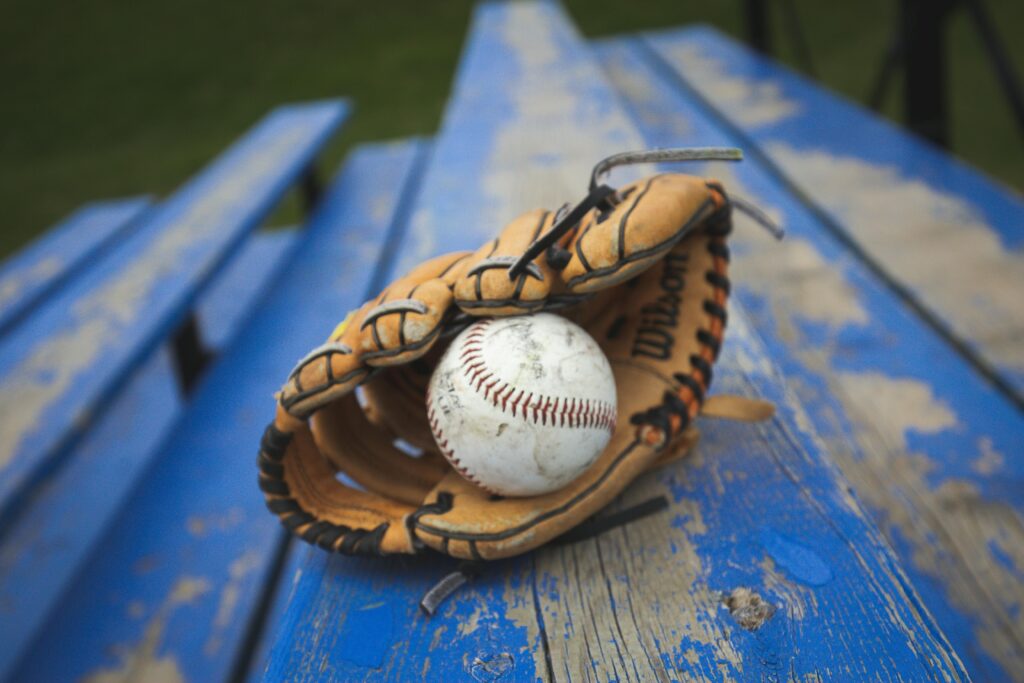
How to Break In a Youth Baseball Glove (Step-by-Step Guide)
One of the most exciting moments for a young baseball player is getting a brand-new…
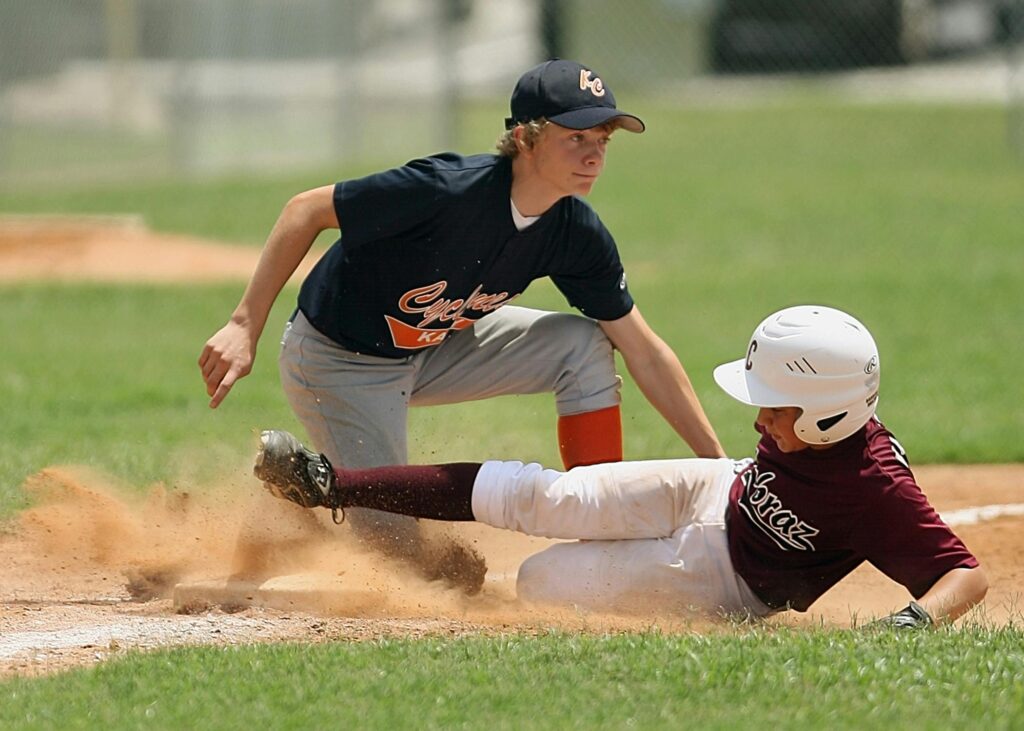
What Position Should My Child Play in Youth Baseball?
It’s one of the most common questions parents ask: “Should my child pitch?”“Are they too…
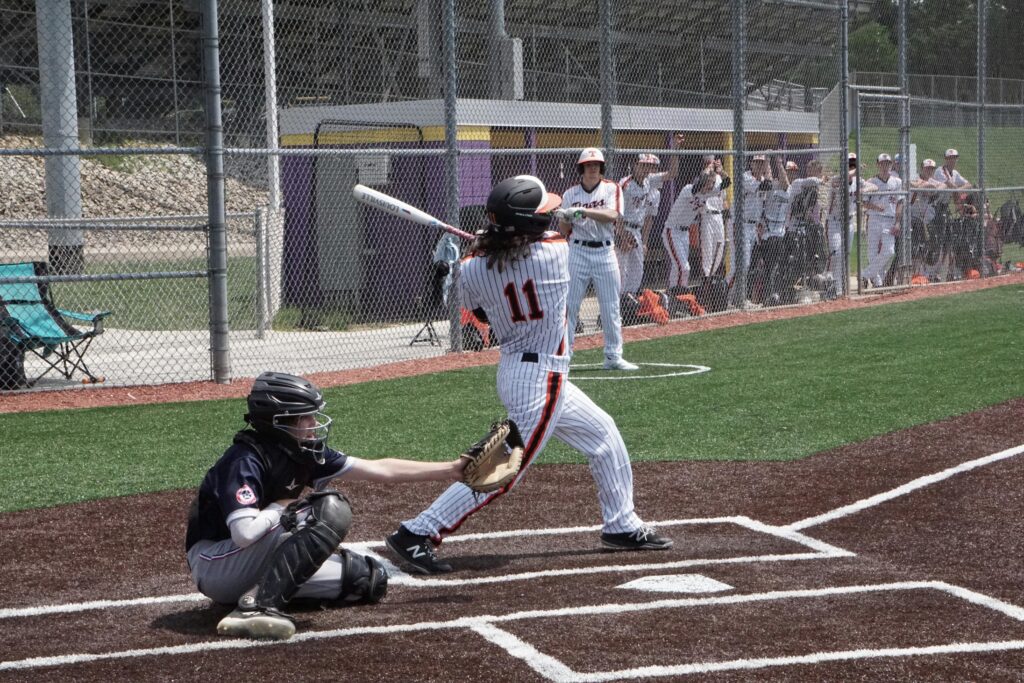
How to Teach Kids to Handle Strikeouts and Slumps in Youth Baseball
Every young baseball player goes through it. The strikeout looking.The 0-for-3 game.The slump that feels…

Winter Baseball Drills to Do at Home
Winter doesn’t have to mean a break from baseball development. Even without access to a…
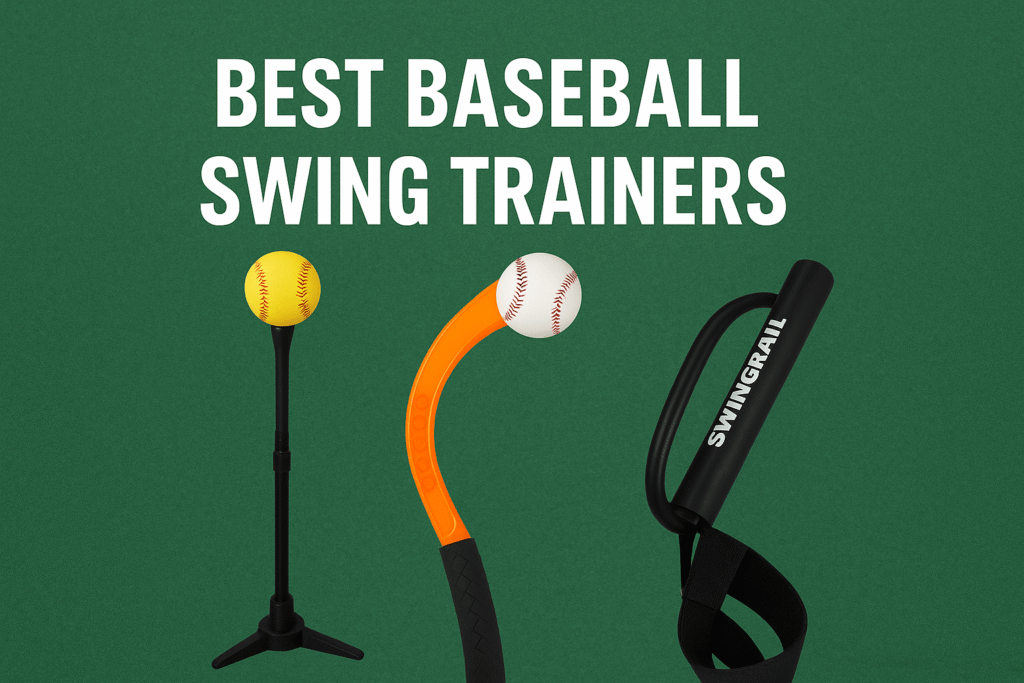
The Best Baseball Swing Trainer for Young Players
Every young hitter dreams of crushing line drives and watching the ball soar into the…

Infield vs. Outfield Glove Sizes Explained
When shopping for a baseball glove, one of the biggest questions players and parents have…