
Every young baseball player goes through it.
The strikeout looking.
The 0-for-3 game.
The slump that feels like it will never end.
For kids, baseball can be emotional. It’s a sport built on failure. Even the best hitters in the world fail most of the time, but young players don’t always know that yet.
As coaches and parents, our job isn’t to eliminate failure. It’s to teach kids how to respond to it in a healthy way. When we handle those tough moments well, we help them grow not just as athletes, but as people.
Here’s how to help young players handle strikeouts and slumps the right way.
Normalize Failure Early
Baseball is different from most youth sports. In basketball, you might score half the time. In soccer, you’re constantly moving and involved in the action. But in baseball, even a great hitter only succeeds three out of ten times.
In just over 5,000 career at bats, Aaron Judge has struck out more than 1,300 times. In 2025, Shohei Ohtani won the National League MVP award and struck out 187 times.
It’s important for kids to know that in baseball, failure isn’t rare. It’s expected.
Tell your players this often. If you fail seven out of ten times and you’re still considered great, that tells you something important about the game. When kids understand that strikeouts are normal, they stop seeing them as something embarrassing. Instead, they start seeing them as part of the process.
Redefine What Success Looks Like
If success only means “getting a hit,” kids will ride an emotional roller coaster all season long. One good swing makes them feel on top of the world. One strikeout makes them feel defeated.
Instead, teach them to measure success by what they can control. Did they swing at good pitches? Did they stay balanced? Did they run hard down the line?
A hard line drive that gets caught is still a great at-bat. When you praise the process instead of just the result, kids learn that improvement matters more than luck. Over time, that mindset builds steady confidence instead of fragile confidence.
Teach a Simple Reset Routine
One of the best tools you can give a young player is a reset routine after a tough pitch or strikeout. It doesn’t have to be complicated. In fact, the simpler the better.
Encourage them to step out of the box, take one deep breath, adjust their batting gloves, and say a short positive phrase like “Next pitch” or “I’m ready.” That small routine gives them something to focus on when emotions start to rise.
Routine creates a sense of control. And when kids feel in control, even in small ways, their confidence grows. If you don’t teach a reset, frustration often becomes their routine instead.
Be Aware of Your Reactions
Kids don’t just react to their strikeout. They react to your reaction.
If a parent throws their hands up in frustration or a coach looks visibly disappointed, that moment sticks. Even subtle body language can send a powerful message.
Instead, respond with calm encouragement. A simple “Good swing” or “Stay aggressive” can completely change how a player walks back to the dugout. Confidence is contagious, but so is doubt. Make sure you’re spreading the right one.
Don’t Overcorrect During a Slump
When kids struggle, adults often feel the need to fix everything at once. We adjust their stance, tweak their grip, and offer multiple mechanical tips in the same conversation.
Most youth slumps, however, aren’t mechanical. They’re mental.
Instead of over-coaching, simplify things. Give them extra tee work where they can feel solid contact again. Do short front toss sessions that allow them to see success quickly. Keep feedback positive and focused on one small adjustment at a time.
Sometimes the best way out of a slump is confidence, not correction.
Separate Performance from Identity
This may be the most important lesson of all. A child is not their batting average. They are not their last at-bat, and they are definitely not their strikeout total.
After games, shift the conversation. Ask what they enjoyed. Ask what they learned. Talk about the hustle play they made or the teammate they encouraged.
When kids know they are valued no matter how they perform, pressure starts to fade. And when pressure fades, performance usually improves on its own. Tight swings come from fear of failure. Free swings come from confidence and security.
Build a Team Culture That Encourages Growth
As a coach, you set the emotional tone for the team. If the culture only celebrates hits and home runs, players will feel exposed during slumps. But if the culture values effort, hustle, and encouragement, every player has a way to contribute.
Celebrate smart base running. Recognize players who cheer on their teammates. Point out improvement in practice, not just performance in games.
When a team supports growth instead of perfection, individual struggles don’t feel so overwhelming. Players learn to lift each other up instead of turning inward.
That’s how you build resilient athletes — and confident young people.
The Bigger Picture
Youth baseball isn’t about avoiding strikeouts. It’s about teaching kids how to respond when things don’t go their way.
The players who stick with the game the longest aren’t the ones who never fail. They’re the ones who learn how to reset, refocus, and keep going.
Teach kids that failure is part of baseball. Teach them that their effort matters more than the outcome. Teach them that who they are is bigger than any at-bat.
Those lessons will last long after the season ends. For more coaching lessons, check out our baseball blogs at YouthPlayboook.com.
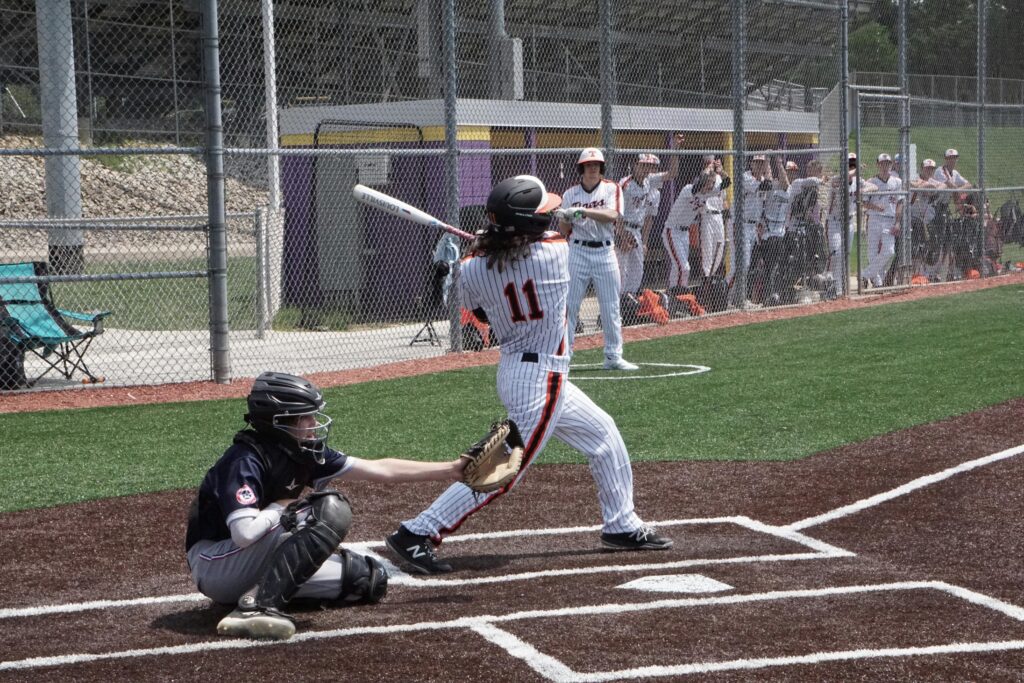
How to Teach Kids to Handle Strikeouts and Slumps in Youth Baseball
Every young baseball player goes through it. The strikeout looking.The 0-for-3 game.The slump that feels…

Winter Baseball Drills to Do at Home
Winter doesn’t have to mean a break from baseball development. Even without access to a…

The Best Baseball Swing Trainer for Young Players
Every young hitter dreams of crushing line drives and watching the ball soar into the…

Infield vs. Outfield Glove Sizes Explained
When shopping for a baseball glove, one of the biggest questions players and parents have…

Best Pitching Machine for Youth Baseball Players and Teams
When it comes to helping kids improve at baseball, consistent repetition is key. That’s where…
Swing Training for Kids: Top Drills to Hit with Power and Consistency
Helping young athletes develop a strong, consistent swing is essential for building confidence and performance…