It’s one of the most common questions parents ask:
“Should my child pitch?”
“Are they too small to play first base?”
“They’re fast — should they be in the outfield?”
The truth is, in youth baseball, position matters far less than development.
At younger ages, the goal isn’t to find your child’s forever position. The goal is to help them learn the game, build confidence, and develop well-rounded skills. Still, it’s helpful to understand how different strengths often line up with different positions — without locking kids into one too early.
Here’s how to think about it the right way.
Start With Development, Not Labels
In baseball under age 12, kids should play multiple positions whenever possible.
Each spot on the field teaches something different. Infielders develop quick hands and fast decision-making. Outfielders learn how to track the ball in the air and make longer throws. Catchers build leadership skills and toughness. Pitchers develop balance, mechanics, and mental focus.
When kids specialize too early, they miss out on learning the full game. They may also increase their risk of burnout or overuse injuries — especially if they pitch year-round.
The best long-term players are usually the ones who learned everything first.
How Different Strengths Fit Different Positions
While early specialization isn’t ideal, certain traits do naturally align with certain positions. This doesn’t mean your child must stay there — but it can help you understand what coaches often look for.
Pitcher
Pitching requires more than just a strong arm. Young pitchers need body control, repeatable mechanics, and the ability to stay calm under pressure. At youth levels, accuracy matters more than velocity. Kids who can focus and throw consistent strikes often succeed here.
Catcher
Catcher is one of the most demanding positions on the field. It requires toughness, communication, and awareness. Players who aren’t afraid of the ball and enjoy being involved in every play may thrive behind the plate. Leadership and focus are big advantages here.
First Base
First base often suits players with reliable hands and confidence catching throws in the dirt. While height can eventually help, it isn’t critical at younger ages. This can be a strong position for kids who catch well and are still developing arm strength.
Middle Infield (Shortstop & Second Base)
These positions require quick feet, fast reactions, and solid throwing mechanics. Shortstop typically demands strong range and arm strength, while second base relies heavily on quick hands and smart positioning. Athletic, agile players often enjoy these roles.
Third Base
Known as the “hot corner,” third base demands quick reflexes and courage. Hard-hit balls arrive fast, so players who react well under pressure and can make a strong throw across the diamond may fit here.
Outfield
Outfielders must track the ball well and cover ground. Speed is helpful, especially in center field. Strong arms are valuable in right field as players grow older. The outfield can also be a great place for developing players to build confidence while learning to read the ball off the bat.
These are tendencies, not rules. Youth bodies change quickly. A smaller player at age 9 may grow significantly by 13. A shy child may develop into a natural leader. Positions that don’t fit today may fit perfectly in two years.
Don’t Chase the “Important” Positions
Parents sometimes push for certain spots — pitcher, shortstop, or first base — because they seem more important.
But at the youth level, development matters more than prestige.
If a coach rotates positions, that’s usually a positive sign. It means they’re prioritizing growth and learning over short-term wins.
The better question isn’t, “Is my child playing shortstop?”
It’s, “Is my child improving?”
Every Player Should Learn the Basics of Pitching and Catching
Even if your child doesn’t become a primary pitcher or catcher, learning the fundamentals of both positions builds strong baseball IQ.
Pitching teaches mechanics, balance, and mental toughness. Catching teaches awareness, communication, and responsibility.
Just make sure pitching is age-appropriate and includes proper rest to protect young arms.
Confidence Should Help Guide the Decision
Some kids love the fast action of the infield. Others feel more comfortable in the outfield while they build confidence.
Pay attention to how your child feels.
Do they light up when they catch?
Do they ask to pitch?
Do they feel nervous at first base?
Confidence matters. Kids improve faster when they enjoy where they play. At the same time, it’s healthy to occasionally stretch them outside their comfort zone. Growth often lives there.
Around Ages 12–13, Positions Begin to Settle
As kids approach middle school, physical differences become clearer. Arm strength separates. Game speed increases. Coaches may begin placing players more consistently in certain roles.
But even then, versatility remains valuable. High school coaches love players who can move around the field.
The more positions a player understands, the more valuable they become.
At The End of the Day, It’s a Game
Instead of asking, “What position should my child play?” try asking:
Is my child learning the full game?
Are they developing strong fundamentals?
Are they building confidence and enjoying the sport?
If the answer is yes, they’re exactly where they need to be.
Youth baseball isn’t about finding a permanent position at age nine. It’s about developing complete athletes who can adapt, grow, and compete anywhere on the field.
In youth baseball, versatility is a superpower.
Ready to gear your child up for the season? Check out our youth baseball equipment checklist and make sure you’re ready to go.
What Position Should My Child Play in Youth Baseball?
It’s one of the most common questions parents ask: “Should my child pitch?”“Are they too…
How to Teach Kids to Handle Strikeouts and Slumps in Youth Baseball
Every young baseball player goes through it. The strikeout looking.The 0-for-3 game.The slump that feels…
Winter Baseball Drills to Do at Home
Winter doesn’t have to mean a break from baseball development. Even without access to a…
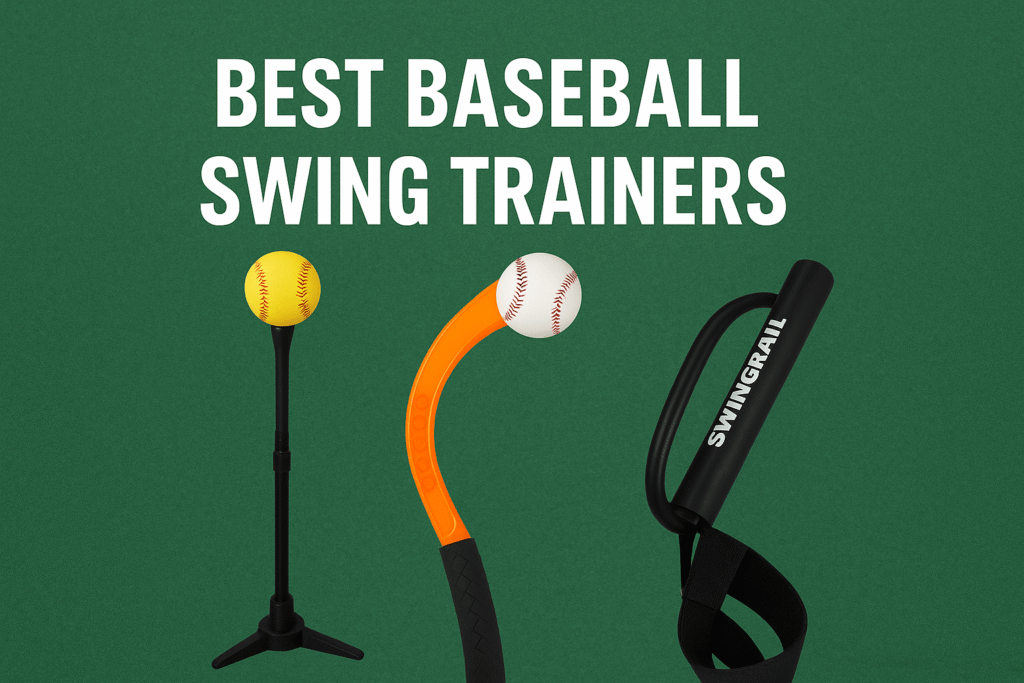
The Best Baseball Swing Trainer for Young Players
Every young hitter dreams of crushing line drives and watching the ball soar into the…
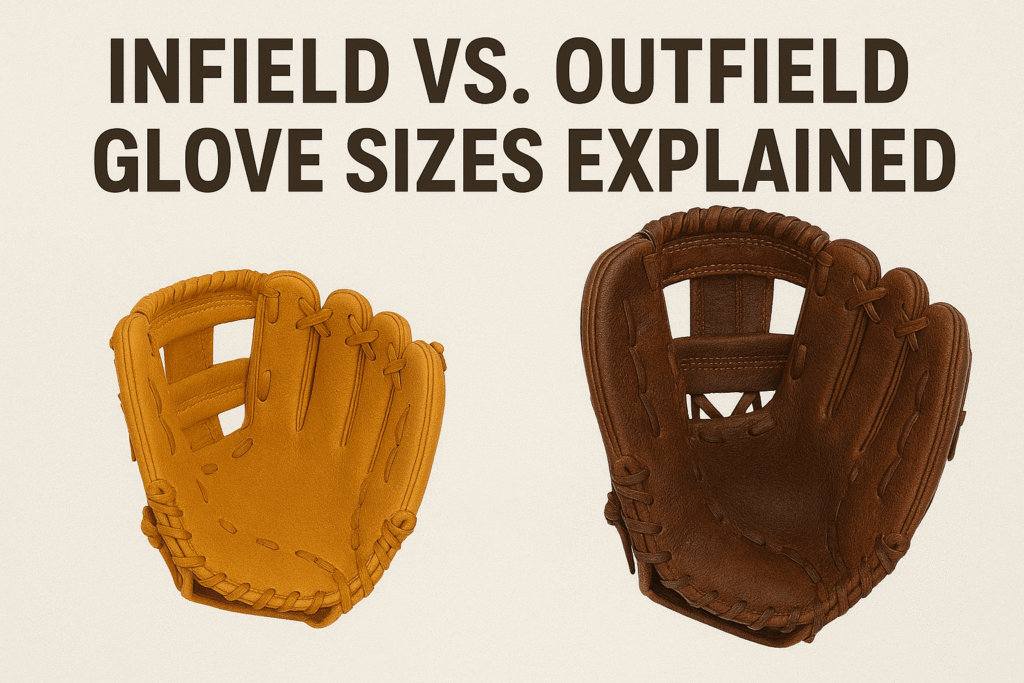
Infield vs. Outfield Glove Sizes Explained
When shopping for a baseball glove, one of the biggest questions players and parents have…

Best Pitching Machine for Youth Baseball Players and Teams
When it comes to helping kids improve at baseball, consistent repetition is key. That’s where…