
A Complete Baseball Glove Size Guide for Youth Players by Position and Age
Buying the right baseball glove isn’t just about price or brand—it’s about fit, comfort, and the player’s position on the field. What size baseball glove is right for your child? What’s the difference between a baseball glove for a 7 year old, and a baseball glove for a 10 year old? Baseball glove sizing can be confusing, and it can be hard to know when a youth baseball player should graduate from one glove to the next.
Here’s everything you need to know, including a baseball glove sizing guide, to make the right call.
Disclosure: This post contains affiliate links. As an Amazon Associate I earn from qualifying purchases. This means I may earn a small commission if you click and make a purchase, at no extra cost to you.
Why Glove Size Matters
Choosing the right size baseball glove isn’t just a detail—it can make or break a young player’s experience on the field.
A glove that’s too big can feel clumsy and hard to control, making it frustrating for kids to catch or field the ball cleanly. Too small, and it can restrict movement, pinch the hand, or even lead to bad habits in fielding mechanics.
The right size glove allows young players to feel confident, stay safe, and focus on learning the game—not fighting their equipment. Whether your player is just starting T-ball or moving up to Little League, a well-fitting glove will help them develop proper technique, stay engaged, and have more fun every time they take the field.
Glove Size by Age (General Guidelines)
| Age | Glove Size |
|---|---|
| 4–6 (T-ball) | 9″ – 10″ |
| 7–9 | 10″ – 11″ |
| 10–12 | 11″ – 11.5″ |
| 13+ (Teen) | 11.5″ – 12.5″ |
These are general recommendations. A player’s position and hand size also matter when choosing what size baseball glove you need.
Baseball Glove Size by Age & Position
Assigning a position to your player can be hard when they’re starting out. But as your young baseball player gets older, it’s a good idea to look for equipment that serves them in the best way possible at the position they play the most.
Rawlings provides specific recommendations for what size baseball glove is right at different positions, which you may find helpful.
Infielders
Ages 7–12: 10.25″ – 11.5″
Ages 12+: 11.25″ – 12″
- Design: Compact and lightweight with a shallow pocket
- Purpose: Built for quick ball transfers, fast reaction times, and precise control when fielding ground balls and turning double plays
- Web Style: Typically I-web, H-web, or modified trapeze—allows dirt to fall through and makes it easier to see and grip the ball
- Fit: Snug and responsive; glove feels like an extension of the hand for better control and quicker movements
Outfielders
Ages 7–12: 11.5″ – 12.25″
Ages 12+: 12″ – 12.75″
- Design: Deeper pocket, longer fingers
- Purpose: Extend reach and secure fly balls
- Web Style: Open webbing for visibility when catching pop-ups
- Fit: Traditional glove with separate fingers
First Base
Ages 7-12: 11.5″ – 12″ (First base mitt)
Ages 12+: 12″ – 13″
- Design: Curved edge and deeper pocket
- Purpose: Scooping throws and catching hard line drives
- Web Style: Typically closed webbing for durability
- Fit: Mitt-style (no separate finger slots), more padding
Key Tip: If your player spends most of their time at first base, invest in a true first baseman’s mitt. It will make scooping throws easier and protect their hand better—especially as throws get harder in older age groups.
Tips for Choosing the Right Baseball Glove
The right glove can make a big difference in a young player’s experience. Understanding glove size and position-specific features helps players build confidence and proper mechanics.
- Try it on: The glove should feel snug, not tight.
- Flexibility matters: Younger players need gloves that are easy to open/close, but understand you will need to break in your glove (see below).
- Avoid growing room: Gloves don’t stretch like shoes. Oversized gloves hurt development.
A Baseball Glove for Every Size
Here are some suggestions for baseball gloves at every size, at affordable prices:
9-Inch Youth Baseball Glove – Perfect For T-Ball
Franklin Sports Youth Teeball Glove – 9.0 Inch Neo-Grip Synthetic Leather Fielding Glove (Paid Link)
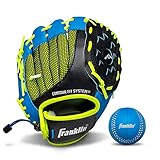
10-Inch Youth Baseball Glove
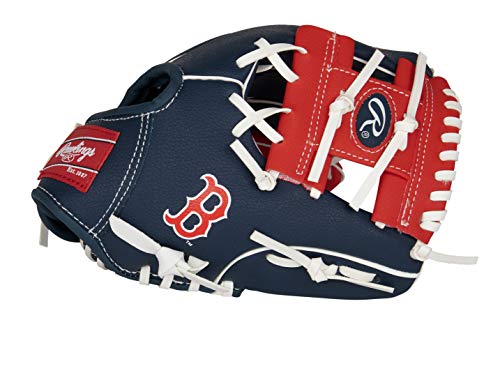
11 to 12 Inches – Rawlings PRO LITE Youth Baseball Glove

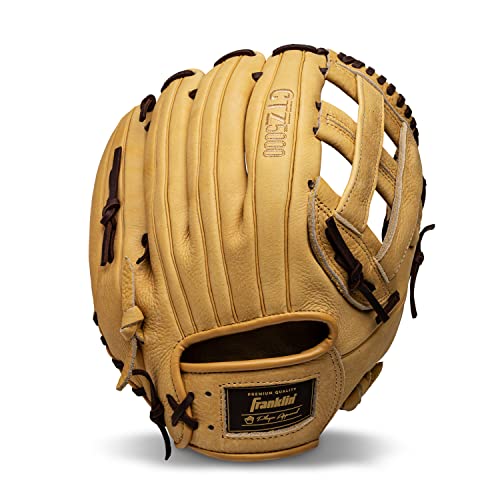
12 Inches – Franklin Sports Youth Baseball Infield/Outfield Glove
How to Measure a Baseball Glove
Baseball gloves are measured by their length in inches, not by hand size.
Heel to Finger Measurement
Sizes are taken from the heel of the glove (bottom of the palm) up to the tip of the index finger.
Printed Size
Most gloves have the size stamped inside the pocket or thumb area.
If the Size is Worn Off
Use a fabric measuring tape: start at the heel, run it along the palm and up the index finger, and stop at the tip.
Measuring Catcher’s Mitts & First Base Gloves
These are often measured by circumference instead of length, which is why their sizes look larger.
🧢 Related Reads:
- Your First Practice: What Coaches Should Bring
- Best Youth Baseball Gear for 2025
- Youth Baseball Bat Size and Buying Guide: Tips for Parents

Pingback: How to Break In a Youth Baseball Glove (Step-by-Step Guide)