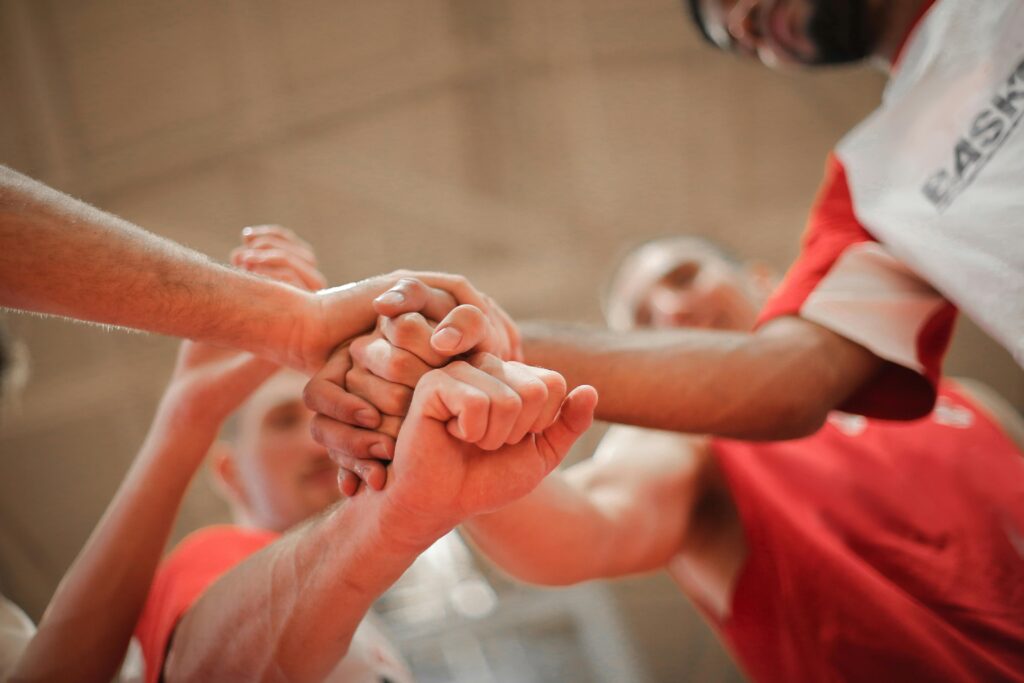
Teamwork is one of the most valuable lessons kids can learn from basketball. But real teamwork goes beyond simply passing the ball or running plays together. It’s about communication, trust, and learning how to lift each other up both on and off the court.
When coaches and parents take time to teach teamwork intentionally, kids not only become better basketball players—they also develop life skills like empathy, leadership, and resilience. Here’s how to help young players understand what it really means to be a great teammate.
Start with the “Why”
Before teaching kids how to be a good teammate, explain why teamwork matters. When players understand that helping others succeed helps the entire team win, they’re more likely to buy in.
- Teamwork creates a better experience. Kids have more fun when everyone feels included and supported.
- Trust builds confidence. When players believe in each other, they play with more energy and less fear of making mistakes.
- Coaches and parents set the tone. The way adults communicate—showing patience, encouragement, and respect—teaches kids how to do the same.
Coaching tip: Use examples from professional basketball to make teamwork relatable. Check out the video below of the Celtics bench in 2023 reacting to three straight 3-pointers by their teammate. Show how teams celebrate their teammates accomplishments and support each other from the bench.
Create Practice Moments That Reward Teamwork
The best way to teach teamwork in youth basketball is by making it part of practice. Instead of only rewarding points or great plays, recognize behaviors that show team-first effort.
Try drills that encourage shared success, such as:
- The Five-Pass Drill: The team must complete five passes before taking a shot. This helps players look for open teammates instead of forcing shots.
- Team Points System: Give extra points for hustle plays, talking on defense, or making an assist.
- Team MVP Recognition: At the end of practice, let players vote for the teammate who showed the best attitude or teamwork.
These simple changes send a clear message: being a great teammate is just as important as scoring.
Build Communication Skills
Strong teams talk—and listen. Communication can be taught and practiced just like dribbling or shooting.
To build communication habits:
- Encourage players to call out names when passing or shout “help” on defense.
- Practice positive talk by cheering for each other during drills.
- Include mini huddles before free throws or possessions so players learn to organize and motivate one another.
Coaching tip: Teach short “magic phrases” like “I got you,” “We got this,” or “Nice pass.” Over time, these small words build a strong sense of connection and trust among players.
Off-Court Activities That Strengthen Bonds
Some of the best teamwork lessons happen away from the court. Off-court team-building activities help kids get to know each other and develop friendships that carry into games.
- End practice with a quick game or challenge unrelated to basketball.
- Have players share one thing they appreciate about a teammate.
- Start a simple team tradition, like a chant before games or a group high-five after practices.
Parents can also get involved by organizing a team pizza night or movie outing after a big game. When players genuinely like and trust each other, teamwork on the court comes naturally.
Turn Mistakes Into Teaching Moments
Every youth basketball player will make mistakes—it’s how they respond that defines teamwork. Teach kids to encourage rather than criticize when something goes wrong.
- After a turnover, practice saying “We’ll get it next time.”
- Use timeouts to demonstrate how teams regroup and refocus together.
- Praise players who lift up their teammates, not just those who score points.
Emphasizing teamwork during tough moments helps kids understand that everyone shares responsibility for improvement. It also keeps morale high and teaches emotional maturity.
Celebrate Team Wins, Big and Small
Reinforcing teamwork through celebration helps it stick. Recognize and reward unselfish play consistently, not just at the end of the season.
- Close each practice with team shoutouts where players recognize each other’s efforts.
- Keep a “teamwork tracker” on a whiteboard, noting moments of encouragement or great assists.
- During games, highlight plays that show teamwork—like a player diving for a loose ball or setting a great screen.
When kids see that teamwork is celebrated, they start to value it as much as personal achievement.
Teaching Life Skills Through Teamwork
Teaching teamwork in youth basketball isn’t just about building better players—it’s about shaping better people. When kids learn to communicate, support, and trust each other, they develop confidence and leadership skills that last far beyond the season.
Basketball gives coaches and parents a unique opportunity to show kids that the best players aren’t always the ones who score the most points—they’re the ones who make everyone around them better.
By emphasizing teamwork, you’re not just building stronger teams—you’re helping kids discover the true spirit of the game.
How to Teach Man-to-Man Defense to 6–8 Year Olds
Teaching man-to-man defense to young athletes can feel intimidating, but at ages 6–8, the goal…

Best Youth Basketball for 2026: Indoor, Outdoor & Age Recommendations
Choosing the best youth basketball for your child can make a huge difference in how…
Youth Basketball Practice Plan: How to Keep Practice Fun and Focused
Coaching youth basketball is one of the most rewarding experiences you can have, but it…
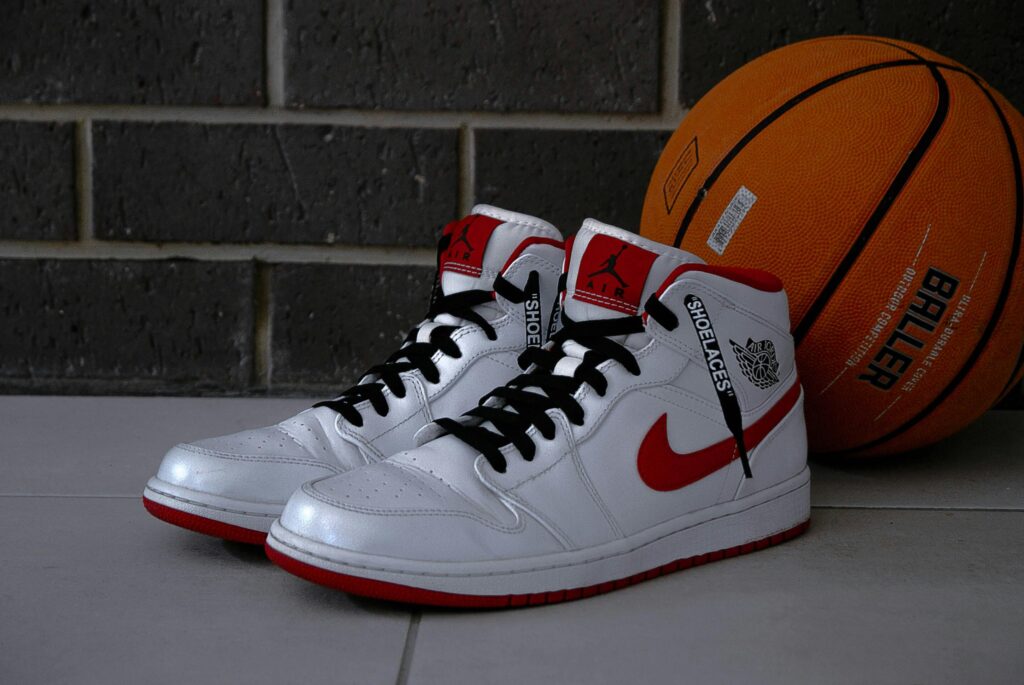
Best Kids Basketball Shoes for 2026: Tested and Parent-Approved
The best kids basketball shoes can make all the difference for a young player. Good…
Teaching Teamwork in Youth Basketball: Beyond Passing the Ball
Teamwork is one of the most valuable lessons kids can learn from basketball. But real…
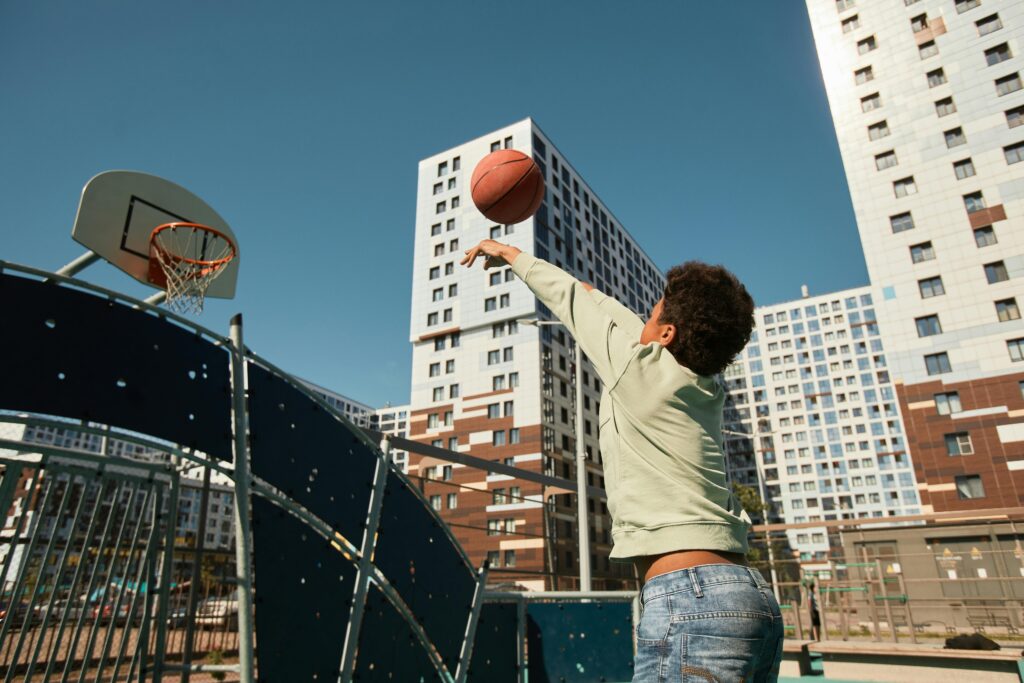
How to Shoot a Basketball: Youth Shooting Mistakes & How to Fix Them (Without Killing Confidence)
Shooting a basketball is one of the most exciting skills for young players to learn—but…