
The FIFA World Cup is more than just a soccer tournament. Every four years, the world’s best players come together to compete on the biggest stage in sports. In 2026, the World Cup will be even closer to home as the United States, Canada, and Mexico host the tournament.
While most young athletes will never play in front of 80,000 fans, they can still learn valuable lessons from the players who do. Whether your child plays soccer, baseball, basketball, football, or another sport, the World Cup offers important examples of teamwork, preparation, and perseverance.
1. Success Starts Long Before Game Day
When fans watch a World Cup match, they only see 90 minutes of action. What they don’t see are the years of practice, training, and sacrifice that made that moment possible.
The same is true for young athletes. Success isn’t built during games. It’s built during practices, workouts, drills, and all the small moments when nobody is watching. Every extra rep, every drill, and every effort to improve adds up over time.
Encourage your child to focus on getting a little better each day instead of worrying only about wins and losses.
2. Great Teams Are Bigger Than Great Players
The World Cup is filled with talented stars, but individual talent alone rarely wins championships. The most successful teams work together, communicate well, and trust each other.
Youth sports are no different. Every player has a role. Some score goals, some play defense, and some bring energy and encouragement to teammates. Teams succeed when everyone contributes.
Help young athletes understand that being a good teammate is just as important as being a skilled player.
3. Mistakes Happen to Everyone
Even the best players in the world make mistakes. They miss shots, make bad passes, and sometimes cost their teams important opportunities.
The difference is that great athletes don’t let mistakes define them. They learn from them and move forward.
When your child makes a mistake during a game, remind them that every athlete—even those playing in the World Cup—has experienced the same thing. Mistakes are part of learning and growing.
4. Confidence Comes From Preparation
Many people think confidence is something athletes are born with. In reality, confidence is often built through preparation.
World Cup players trust their abilities because they have spent years practicing their skills. They know they have put in the work.
Young athletes can build confidence the same way. The more they prepare, the more they will believe in themselves when the pressure is on.
5. Resilience Matters More Than Perfection
Not every team wins the World Cup. In fact, most teams leave disappointed. Yet every tournament features players who overcome injuries, setbacks, and difficult losses.
Sports teach young athletes how to handle challenges. Sometimes they won’t make the team they want. Sometimes they won’t get as much playing time as they hoped. Sometimes they’ll lose important games.
Those moments can become valuable opportunities to develop resilience. The ability to bounce back from disappointment is a skill that helps athletes both on and off the field.
6. Respect Is Part of the Game
One of the best parts of international competition is seeing athletes from different countries come together through sport. While they compete fiercely, they often show respect for opponents, coaches, officials, and the game itself.
Youth sports should reflect those same values.
Parents and coaches can use the World Cup as a reminder that sportsmanship matters. Winning is exciting, but how athletes treat others leaves a lasting impression.
7. Big Dreams Start Small
Every World Cup player was once a child playing in a local league, practicing in a backyard, or kicking a ball with friends.
Most young athletes won’t become professional players, and that’s okay. Sports offer much more than the chance to reach the highest level. They teach discipline, teamwork, leadership, and confidence.
The next time your family watches a World Cup match, remind your child that every athlete on the field started somewhere. Big dreams often begin with small steps.
Bringing the World Cup Home
The 2026 World Cup is a great opportunity to help kids connect with sports in a new way. Watch matches together, learn about different countries, and talk about the lessons athletes demonstrate on the field.
Most importantly, use the tournament as a reminder that sports are about more than scores and trophies. They are about growth, character, and the habits that help young athletes succeed throughout life.
That’s the real World Cup effect—and it’s something every young athlete can experience.

7 Lessons Young Athletes Can Learn From the World Cup
The FIFA World Cup is more than just a soccer tournament. Every four years, the…
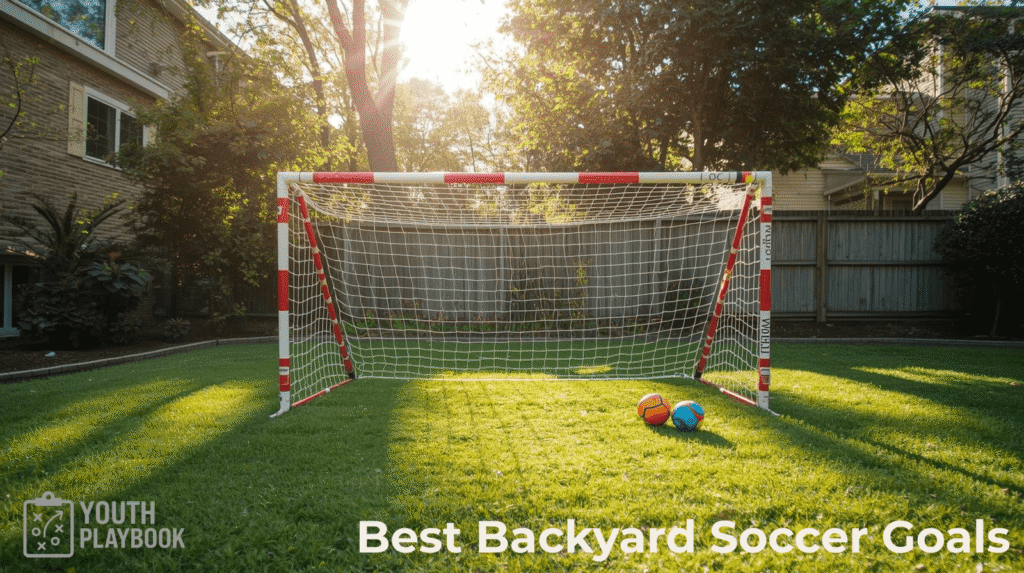
Best Backyard Soccer Goal for Kids of Every Age
Soccer is one of the fastest-growing youth sports in the U.S., and kids love practicing…
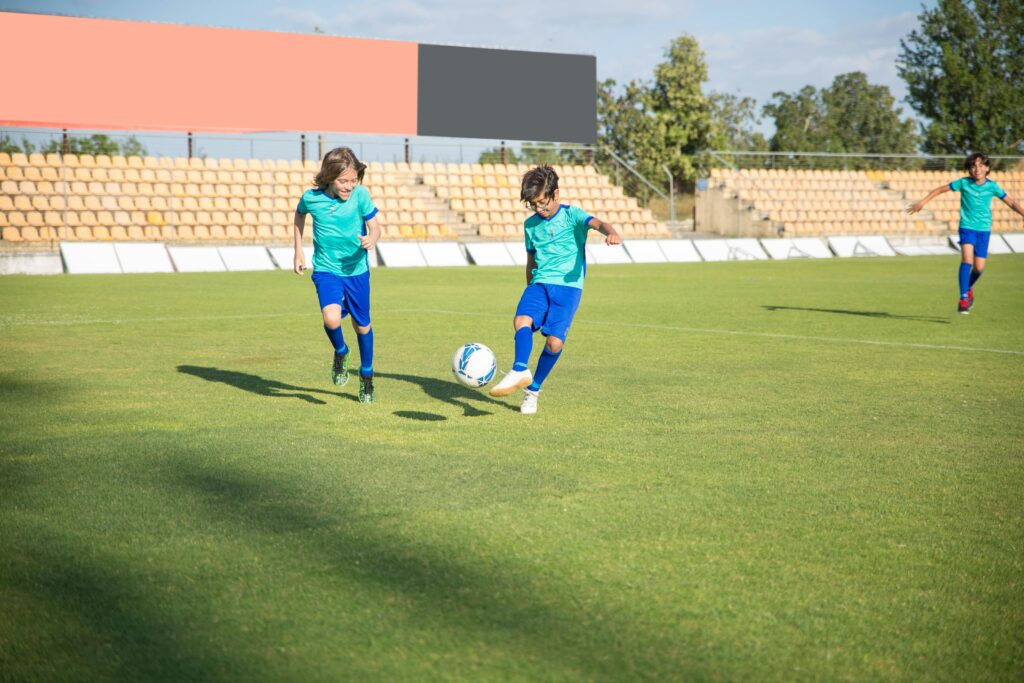
Youth Soccer Ball Control Drills for Ages 7–10
At ages 7–10, kids are at the perfect stage to develop strong soccer ball control…
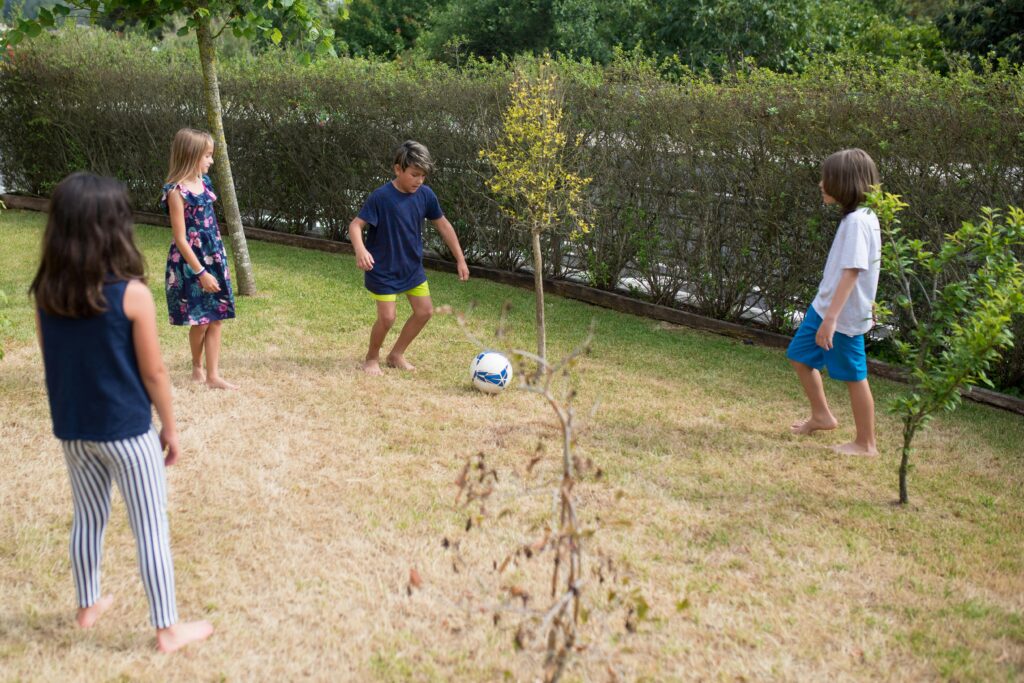
Soccer Training Gear Every Parent Should Consider for Their Kids
Instead of preparing for an entire team practice, parents just need to think about one…
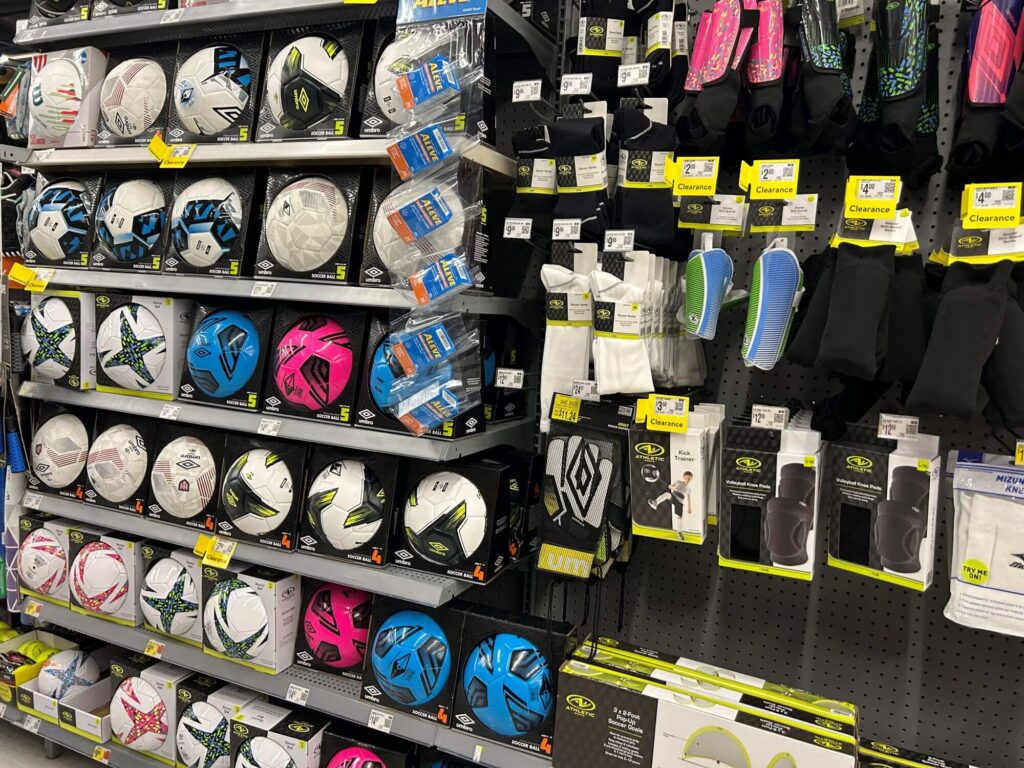
Essential Soccer Equipment: A Coach’s Guide
A successful soccer season starts with the right prep — and that includes more than…
5 Soccer Drills Your Team Will Actually Love
Getting your youth soccer team fired up for practice isn’t just about having a game…