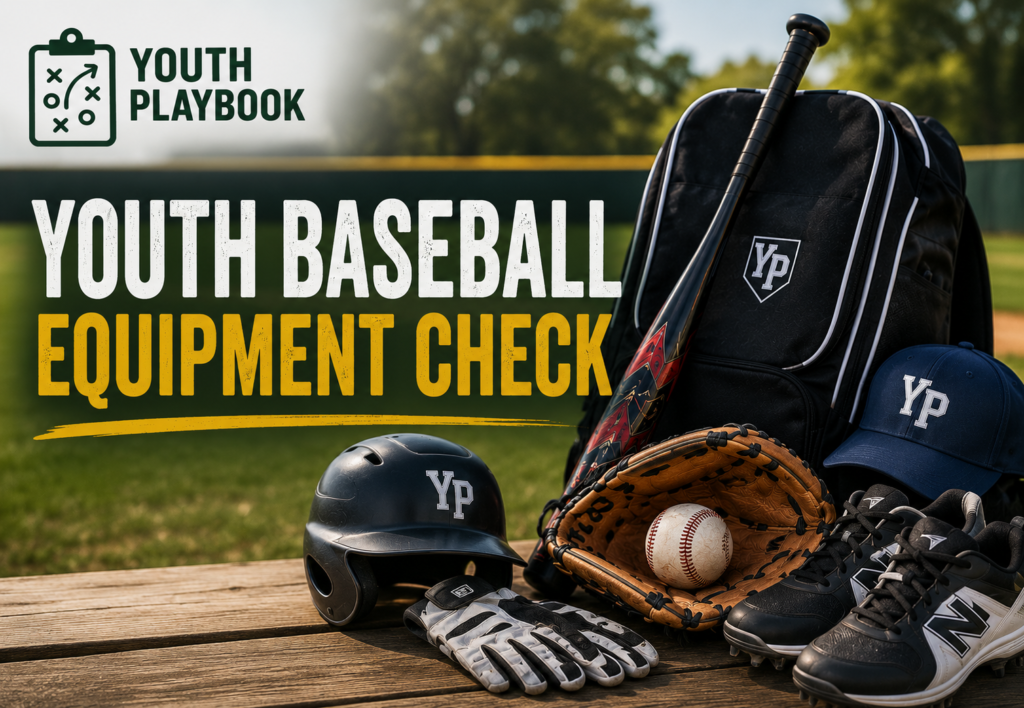
Spring baseball has a way of taking a toll on youth baseball equipment.
Summer is the perfect time to give everything a thorough inspection. Whether your player plans to compete in fall baseball or simply wants to keep improving before next season, a quick equipment check can help prevent frustration, improve performance, and even save money by replacing worn-out gear before it becomes a problem.
Here are seven questions every baseball parent should ask before the second half of the year. Fall ball is right around the corner!
1. Is Your Child Still Swinging the Right Bat?
Kids can grow several inches in a single year. A bat that felt perfect during spring tryouts might suddenly feel too short or too light by July.
If your player has gotten taller or stronger, it’s worth checking whether they’re still using the right size. An improperly sized bat can affect swing mechanics, timing, and overall confidence at the plate.
Some signs it may be time for a different bat include:
- The bat feels noticeably light.
- Your child consistently gets jammed.
- They struggle to control the barrel.
- They’ve recently gone through a growth spurt.
If you’re unsure what size they should be using, our Youth Baseball Bat Size and Buying Guide explains how to choose the right length and drop weight based on your child’s age, height, and weight.
👉 Read next: Youth Baseball Bat Size and Buying Guide
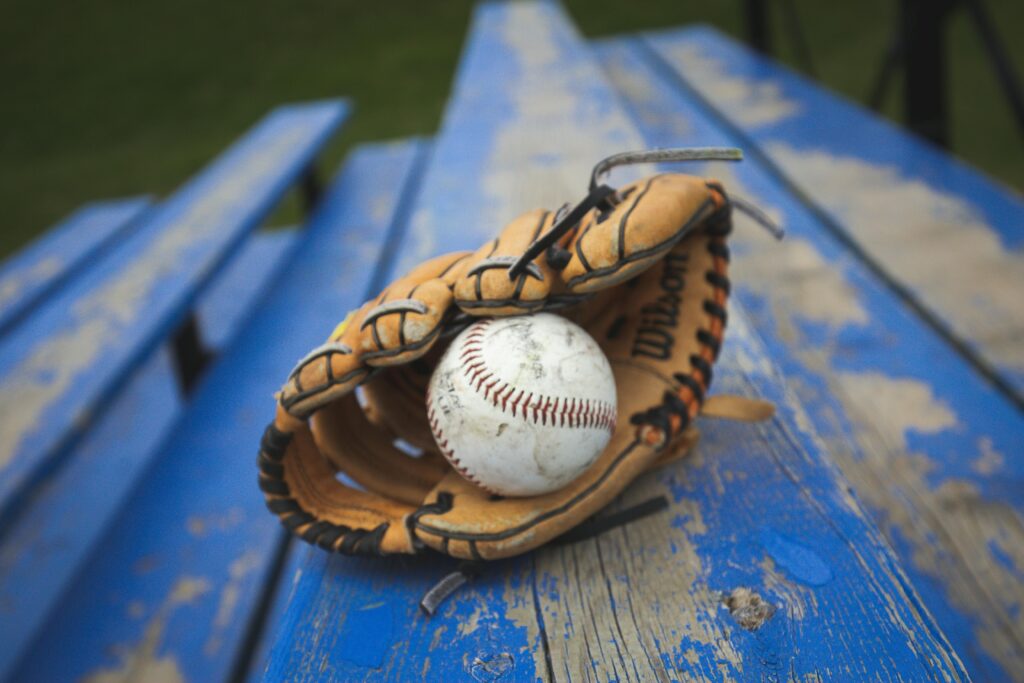
2. Does Their Glove Still Fit?
Unlike shoes, glove sizing isn’t always obvious.
Kids often continue using a glove that’s become too small simply because it’s already broken in.
Take a close look at how your child’s hand fits inside the glove. If their fingers extend beyond the finger stalls or they struggle to close the glove comfortably, it’s probably time to move up a size.
A properly fitted glove makes catching easier, builds confidence, and helps young players develop good defensive habits.
Need help choosing the correct size?
👉 Read next: What Size Baseball Glove Do You Need?
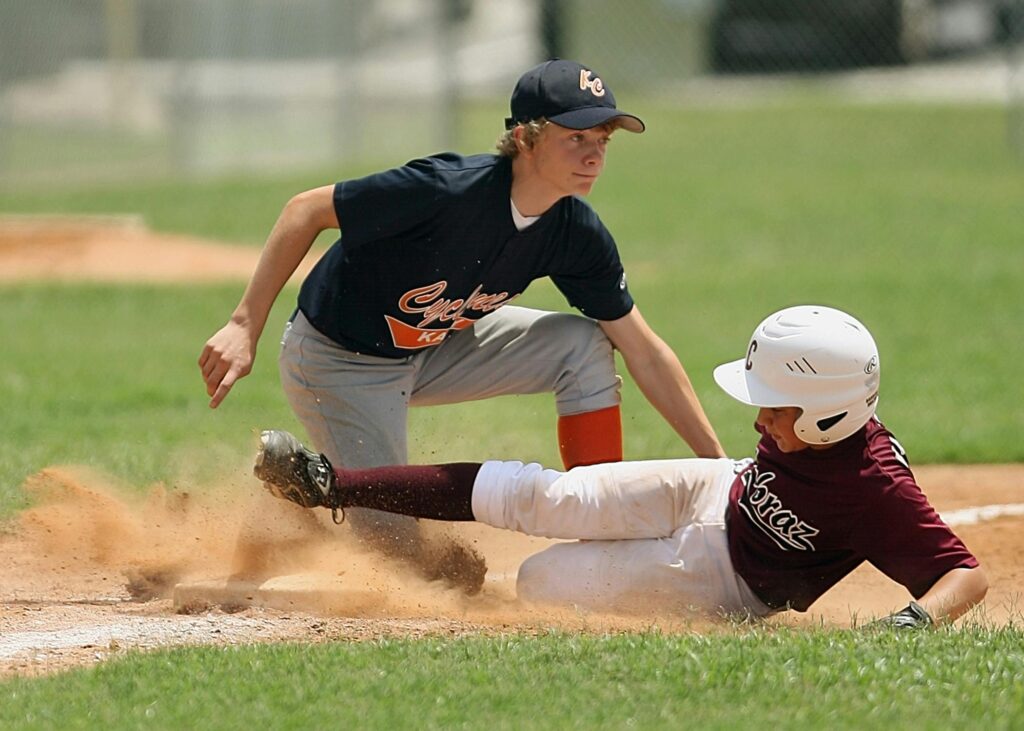
3. Is Their Baseball Glove Right for Their Position?
As players get older, many begin settling into primary positions.
That’s when position-specific youth baseball equipment can start making a difference. And there’s no better example of that than gloves.
Infielders generally benefit from smaller gloves that allow for quicker transfers when turning double plays or making fast throws. Outfielders usually prefer larger gloves that provide additional reach and a deeper pocket for fly balls.
If your child has become a full-time infielder or outfielder this season, it may be worth considering a more specialized glove.
👉 Read next: Infield vs. Outfield Glove Sizes Explained
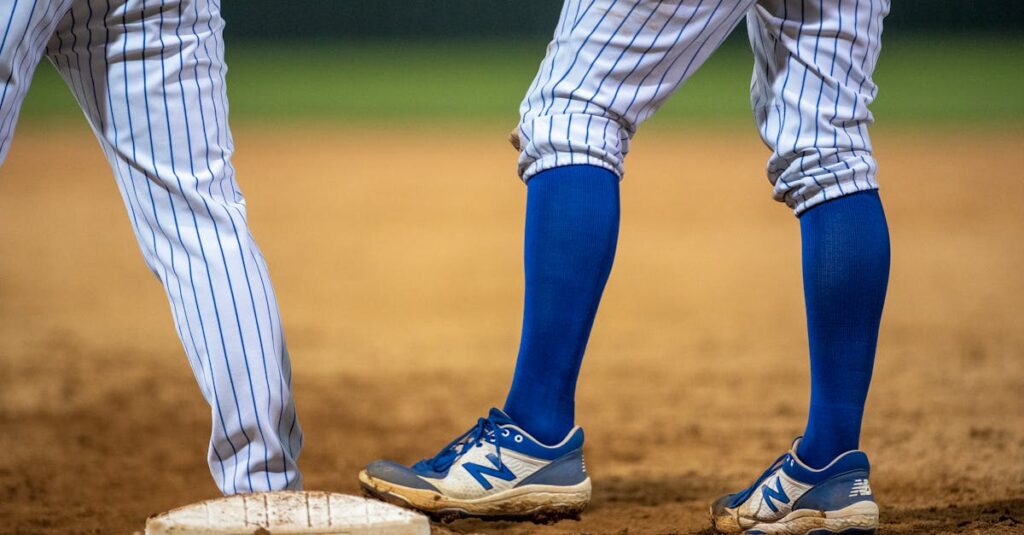
4. Do Their Baseball Cleats Still Fit?
Cleats endure more abuse than almost any other piece of youth baseball equipment.
Between running the bases, sliding, practices, and tournament weekends, it’s no surprise they begin wearing down quickly.
Take a few minutes to check for:
- Worn-down studs
- Cracks or tears
- Loose soles
- Flattened traction
- Tight toe boxes from growing feet
Even if the cleats still look good, make sure they still fit. Many young players outgrow their cleats before they actually wear them out.
If new cleats are on your shopping list, our buying guide can help you choose the right pair.
👉 Read next: Youth Baseball Cleats: Buying Guide
5. Is It Time to Upgrade Youth Baseball Equipment in Your Backyard?
Summer often means fewer team practices, making it the perfect opportunity to develop skills at home.
One of the easiest ways to maximize backyard reps is with a quality swing trainer.
Modern training aids can help players improve:
- Swing path
- Bat speed
- Balance
- Hand-eye coordination
- Consistency
The best part is that many of them only require a few minutes a day to produce noticeable improvements over the course of the offseason.
We’ve reviewed some of the best swing trainers available for young hitters.
👉 Read next: The Best Baseball Swing Trainers for Young Players
6. Would a Pitching Machine Be Worth It?
If you’ve ever tried throwing batting practice to your child after work, you already know how difficult it can be to deliver consistent pitches.
A pitching machine solves that problem.
It allows hitters to get hundreds of quality swings while helping parents spend less time chasing baseballs or throwing inconsistent pitches.
Pitching machines have become much more affordable over the past few years, and there are excellent options for families, backyard training, and entire teams.
If you’ve been thinking about buying one, we’ve compared the best models available.
👉 Read next: Best Pitching Machine for Youth Baseball Players and Teams
7. Is Your Old Youth Baseball Equipment Trash?
Now’s also a good time to completely unpack your player’s baseball bag. You might be surprised what you’ll find.
Look for:
- Cracked helmets
- Worn batting gloves
- Old baseballs
- Broken batting tees
- Missing protective gear
- Moldy towels
- Empty water bottles
- Lost socks
- Broken training aids
Cleaning out the equipment bag takes only a few minutes but helps ensure you’re ready when the next tournament or practice rolls around.
If it’s old but still usable, consider selling on Facebook Marketplace or Sideline Swap. Then you’ll have a little extra cash to use on new gear for your kid.
One mistake many parents make is waiting until the week before fall practices begin to replace old equipment.
Shopping now offers several advantages. You’ll often find better sales during the summer, have more time to break in new gloves, and avoid scrambling to replace equipment at the last minute.
It also spreads out expenses instead of buying everything every spring. A few smart upgrades today can make your child’s next season much more enjoyable.
If you want to make sure nothing gets overlooked, our complete equipment checklist covers everything youth baseball players typically need.
👉 Read next: The Complete Youth Baseball Equipment Checklist
Keep Your Player Ready for the Rest of the Season
Youth baseball equipment isn’t meant to last forever, especially when it’s being used several times a week by growing athletes.
A quick mid-season inspection helps catch small problems before they become expensive ones. It also gives your player the confidence of knowing they’re stepping onto the field with equipment that’s safe, comfortable, and suited to their current size and skill level.
The good news is you don’t have to figure it all out on your own. Whether you’re buying a new bat, checking glove sizes, replacing cleats, or building the perfect backyard practice setup, Youth Playbook has detailed guides to help you make informed decisions.
Take a few minutes this summer to inspect your player’s gear now, and they’ll be ready to make the most of every practice, game, and tournament still to come.
Youth Baseball Equipment Check-In: Summer Guide for Parents
Spring baseball has a way of taking a toll on youth baseball equipment. Summer is…
Summer Baseball Training Guide: 10 Ways Kids Can Level Up This Offseason
For many young athletes, summer is baseball season. With longer days, warmer weather, and more…
Youth Baseball Cleats: How to Choose the Best Cleats for Young Players
If your child plays baseball, a good pair of youth baseball cleats can make a…
How to Break In a Youth Baseball Glove (Step-by-Step Guide)
One of the most exciting moments for a young baseball player is getting a brand-new…
What Position Should My Child Play in Youth Baseball?
It’s one of the most common questions parents ask: “Should my child pitch?”“Are they too…
How to Teach Kids to Handle Strikeouts and Slumps in Youth Baseball
Every young baseball player goes through it. The strikeout looking.The 0-for-3 game.The slump that feels…