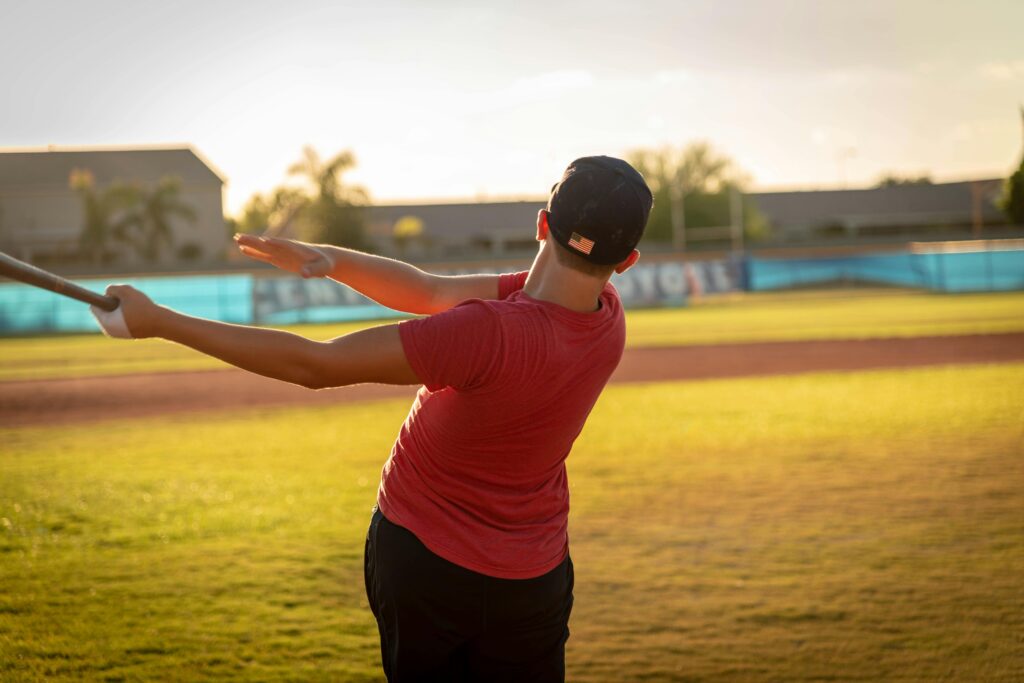
For many young athletes, summer is baseball season. With longer days, warmer weather, and more opportunities to get outside, summer offers the perfect chance for youth players to build skills, gain confidence, and prepare for the next season.
While games and tournaments are important, the players who make the biggest improvements often focus on consistent development between competitions. Whether your child is new to the game or looking to take the next step, a structured summer baseball routine can help build fundamentals that last for years.
Here are 10 ways youth baseball players can maximize their summer training and continue developing their game.
1. Focus on Throwing Fundamentals
A strong throwing foundation impacts every position on the field. Summer is an ideal time to work on proper mechanics without the pressure of game situations.
Players should focus on:
- Proper grip and release
- Staying balanced through the throwing motion
- Following through toward the target
- Consistent footwork
Short, focused throwing sessions several times per week are often more effective than occasional marathon practices.
2. Build Better Fielding Habits
Defensive consistency comes from repetition. Youth players can make major improvements by dedicating just 15 to 20 minutes a few times each week to fielding drills.
Simple exercises include:
- Ground ball repetitions
- Backhand and forehand work
- Glove-to-hand transfers
- Position-specific footwork
Developing smooth fielding mechanics now can help players become more confident defenders when games become more competitive.
3. Improve Hitting Through Repetition
Hitting is one of the most difficult skills in sports, but summer provides plenty of opportunities to develop better swing habits.
Players can benefit from:
- Tee work
- Soft toss drills
- Front toss sessions
- Batting cage practice
- Swing training
The goal should be quality repetitions rather than simply swinging as many times as possible. Consistent mechanics often lead to better long-term results than chasing power.
4. Develop Speed and Agility
Baseball players don’t need to train like sprinters, but speed can create advantages on both offense and defense.
Youth athletes can improve athleticism through:
- Short sprint workouts
- Ladder drills
- Cone drills
- Reaction exercises
These activities help improve acceleration, balance, and coordination while keeping workouts fun and engaging.
5. Learn the Mental Side of Baseball
Physical skills matter, but baseball is also a game of decision-making and focus.
Summer offers time to develop baseball IQ by:
- Watching games
- Learning situational strategies
- Understanding defensive responsibilities
- Studying different positions
Players who understand the game often perform more confidently on the field because they know what to expect in different situations. They can also deal with slumps in a much more effective way.
6. Create a Weekly Training Schedule
One of the biggest mistakes young athletes make is training inconsistently.
Instead of practicing for several hours one day and then taking a week off, players should establish a simple weekly schedule.
A balanced summer routine might include:
- Two hitting sessions
- Two fielding sessions
- Two throwing sessions
- One speed and agility workout
- One recovery day
Consistency usually beats intensity when it comes to long-term athletic development.
7. Stay Active in Multiple Sports
While baseball may be the primary focus, participating in other activities can benefit overall athletic development.
Sports such as soccer, basketball, swimming, and tennis can help improve:
- Coordination
- Balance
- Endurance
- Reaction time
Multi-sport athletes often develop a broader athletic foundation that supports baseball performance later on.
8. Prioritize Recovery and Nutrition
Young athletes sometimes overlook recovery, but improvement happens when the body has time to adapt.
Important recovery habits include:
- Getting enough sleep
- Staying hydrated
- Eating balanced meals
- Taking rest days when needed
A healthy athlete is more likely to stay consistent throughout the summer and avoid unnecessary injuries.
9. Set Specific Goals
Goal setting gives young players direction and motivation.
Instead of setting vague goals like “get better at baseball,” consider measurable objectives such as:
- Improving throwing accuracy
- Increasing batting consistency
- Reducing fielding errors
- Improving sprint times
Tracking progress throughout the summer can help players stay engaged and recognize their improvements.
10. Keep Baseball Fun
The most important part of youth sports development is maintaining a love for the game.
Summer should include:
- Backyard games
- Wiffle ball
- Family catch sessions
- Friendly competitions with teammates
When players enjoy the process, they are more likely to stay committed and continue improving over time.
Final Thoughts
Summer provides one of the best opportunities for youth baseball players to develop their skills, build confidence, and prepare for future success. By focusing on consistent practice, athletic development, recovery, and enjoyment, young athletes can make meaningful improvements before the next season begins.
Parents and coaches should remember that long-term growth matters more than short-term results. The habits built during summer training often become the foundation for future performance on the field.
With a balanced approach and a commitment to steady improvement, every young baseball player can make the most of the summer months.
Youth Baseball Equipment Check-In: Summer Guide for Parents
Spring baseball has a way of taking a toll on youth baseball equipment. Summer is…
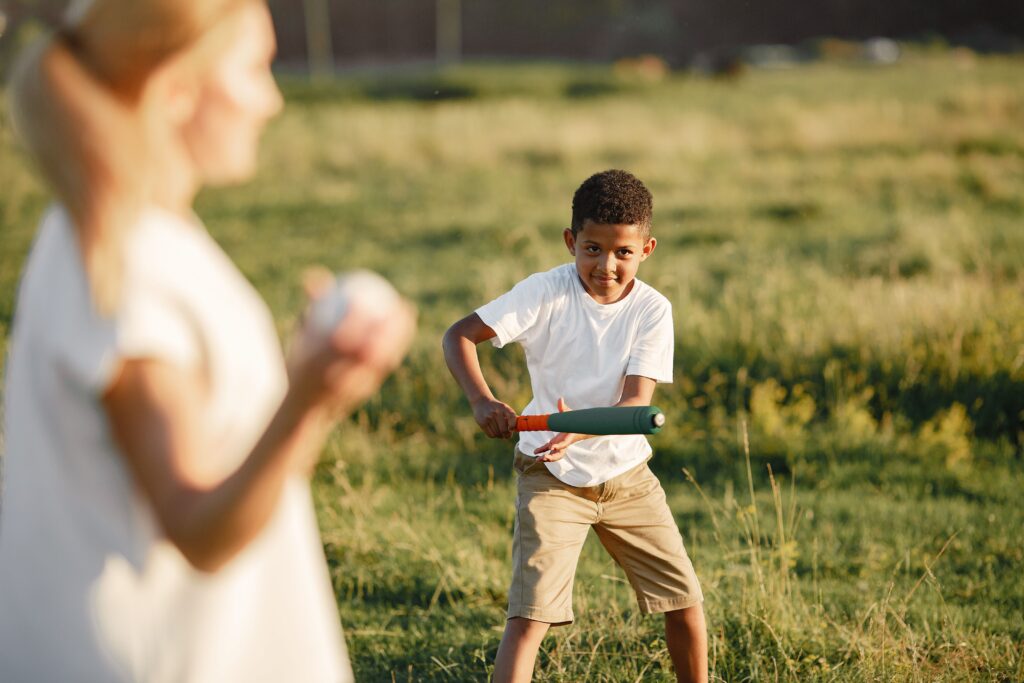
Summer Baseball Training Guide: 10 Ways Kids Can Level Up This Offseason
For many young athletes, summer is baseball season. With longer days, warmer weather, and more…
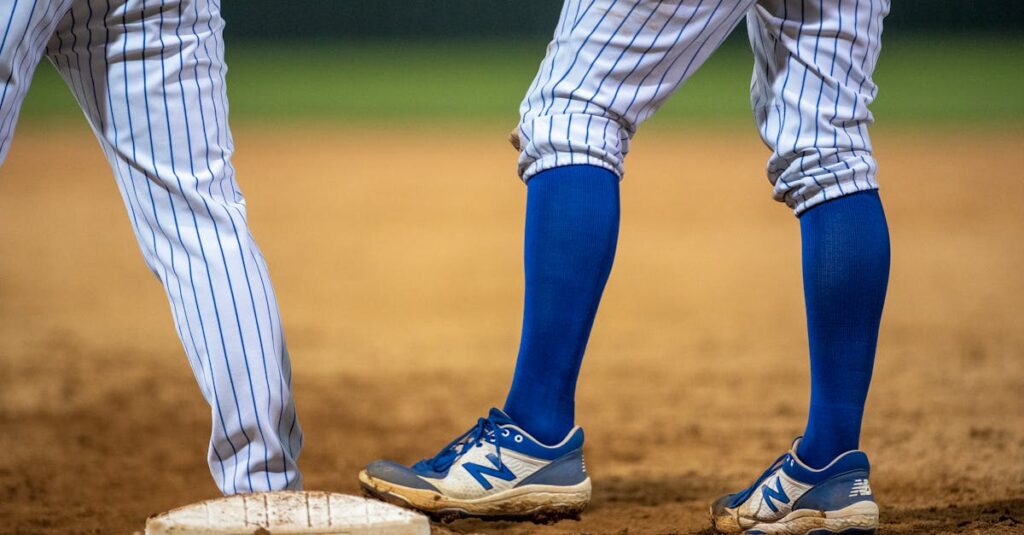
Youth Baseball Cleats: How to Choose the Best Cleats for Young Players
If your child plays baseball, a good pair of youth baseball cleats can make a…
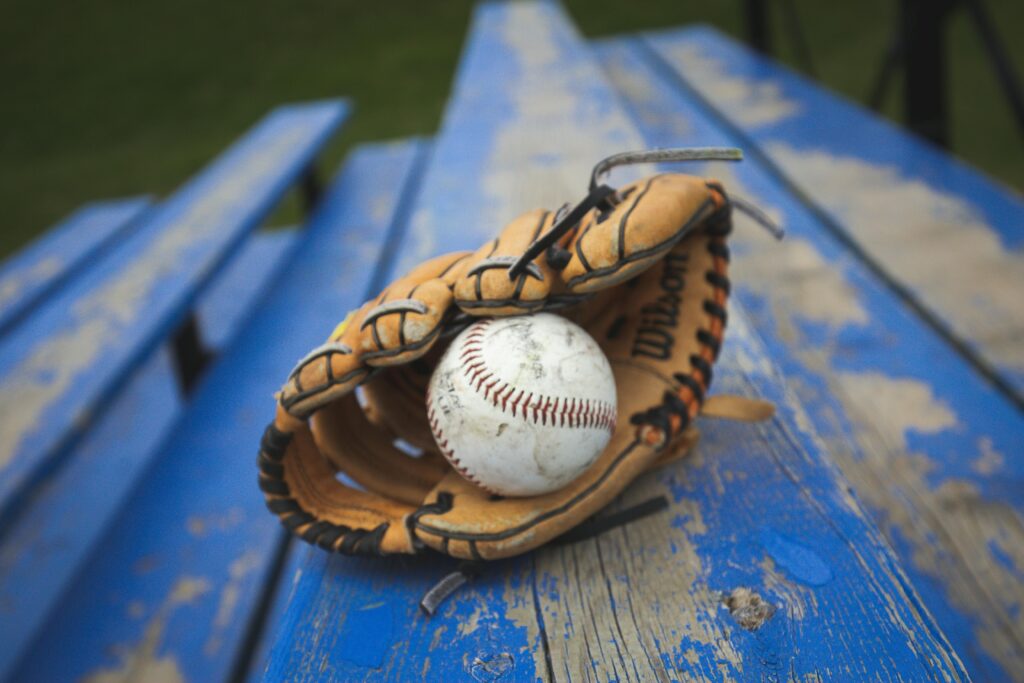
How to Break In a Youth Baseball Glove (Step-by-Step Guide)
One of the most exciting moments for a young baseball player is getting a brand-new…
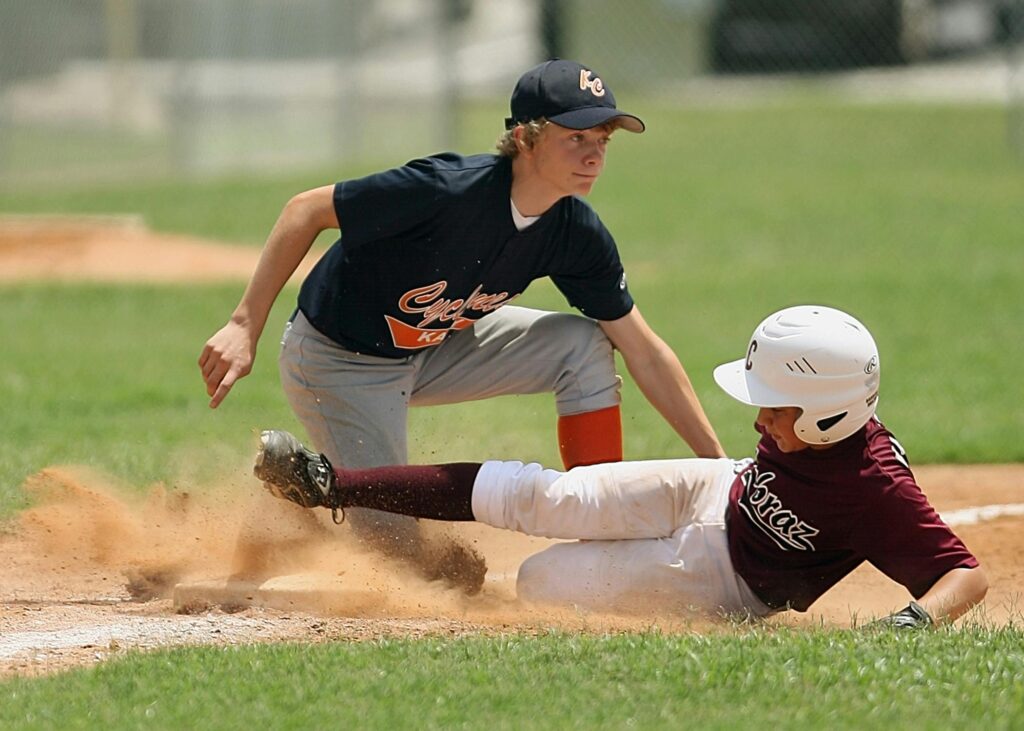
What Position Should My Child Play in Youth Baseball?
It’s one of the most common questions parents ask: “Should my child pitch?”“Are they too…
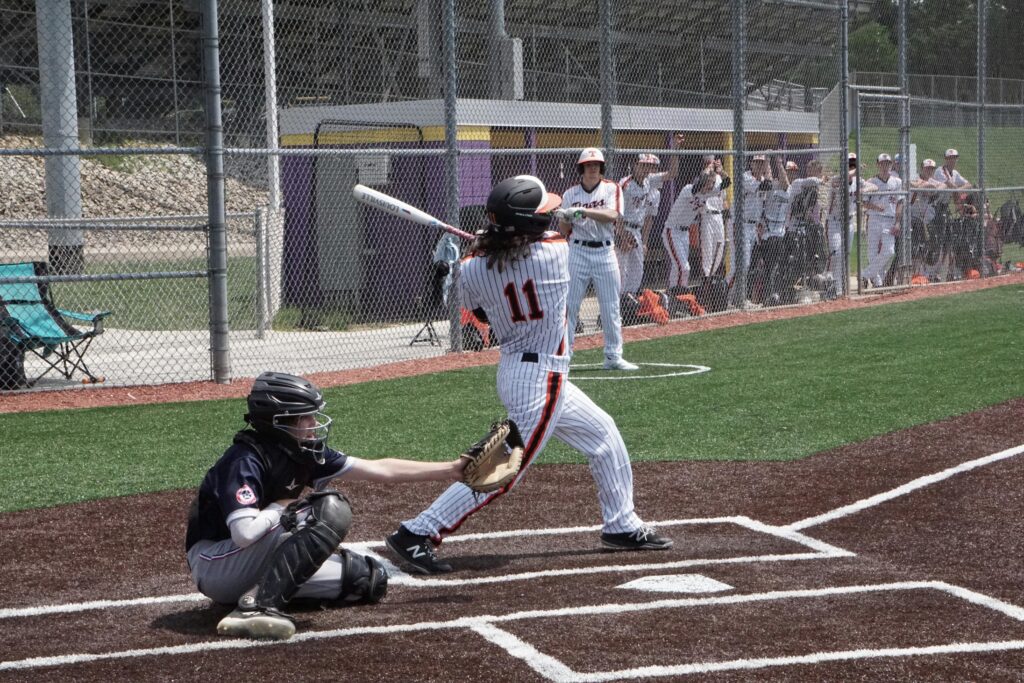
How to Teach Kids to Handle Strikeouts and Slumps in Youth Baseball
Every young baseball player goes through it. The strikeout looking.The 0-for-3 game.The slump that feels…